
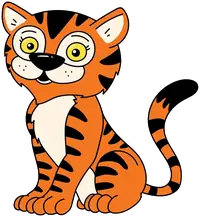
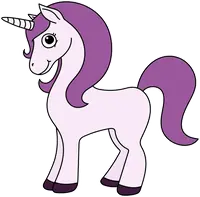
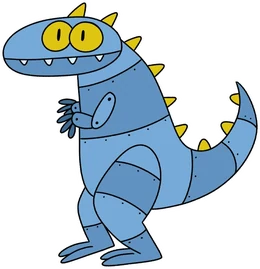
Pre-writing strokes are the basic lines and shapes children learn before they can write letters. In the usual order they are: vertical line, horizontal line, circle, cross, diagonal line (right), square, diagonal line (left), X and triangle. Kids typically master them between about 2 and 6. Drawing and tracing pictures is a fun way to practice every one.
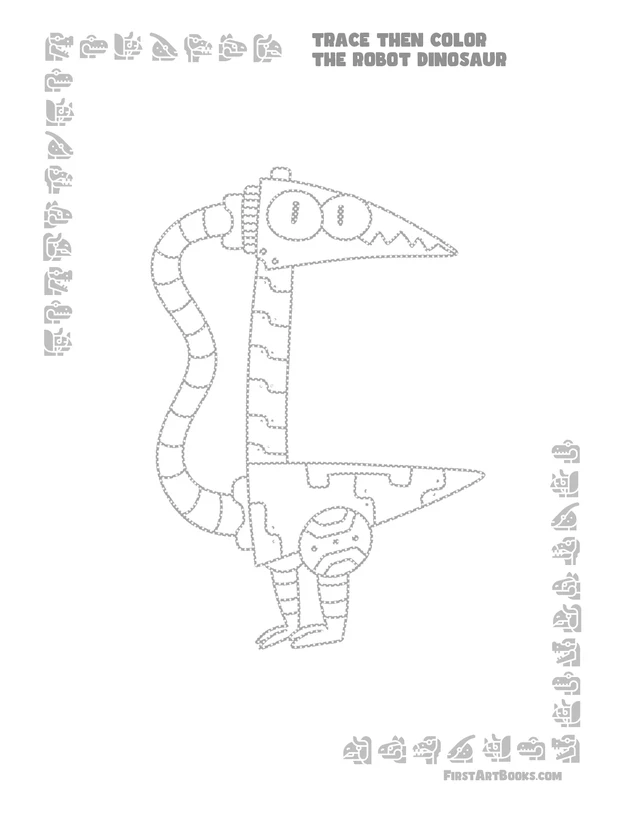
The 9 strokes, in order
The ages below are rough guides from common developmental checklists. Kids first imitate a stroke (copy it while watching you), then copy it from a picture.
1. Vertical line (around 2 to 3)
Draw: rain falling, a fence, robot legs.
2. Horizontal line (around 2 to 3)
Draw: a road, a shelf, the ground under a character.
3. Circle (around 3)
Draw: a ball, a face, monster eyes, bubbles.
4. Cross (around 4)
Draw: a plus sign, a kite frame, a window.
5. Diagonal line to the right (around 4 to 5)
Draw: a slide, a ramp, a rocket’s trail.
6. Square (around 4 to 5)
Draw: a robot head, a box, a present.
7. Diagonal line to the left (around 4 to 5)
Draw: the other side of a roof, a mountain.
8. X (around 5)
Draw: a treasure map mark, crossed bones, a monster’s stitches.
9. Triangle (around 5)
Draw: a roof, a party hat, dinosaur spikes, ears.
Why drawing beats drills
Worksheets with rows of zigzags work, but many kids find them dull. When the strokes are part of a picture (spikes on a dinosaur, buttons on a robot), kids practice longer and more happily. A trace-then-color page packs dozens of strokes into one character.
Activities for every stroke
- Stroke hunt. Find straight lines, circles and triangles in a picture book.
- Build a robot. Squares, lines and circles only. See robot lessons.
- Monster faces. Circles for eyes, triangles for teeth, X’s for stitches.
- Big to small. Draw strokes huge on an easel or sidewalk, then on paper.
- Trace, then copy. Trace a character, then try drawing the same strokes next to it.
Helpful tools
Chunky crayons, triangular pencils and large paper help the youngest kids. See pencil grip by age and fine motor activities.
From strokes to letters
Once a child can draw a cross and a circle, they are usually ready to start forming letters. See how tracing builds handwriting readiness, and make letters fun with alphabet monsters.
The book that helps
Robots are made of lines and boxes; monsters are made of circles and curves. Tracing them practices every pre-writing stroke.
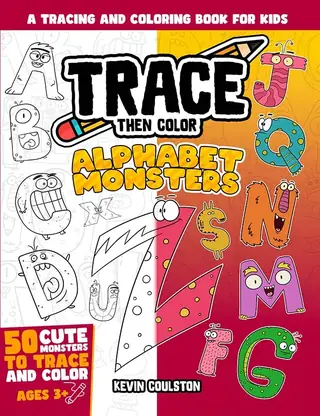 Trace Then Color: Alphabet Monsters
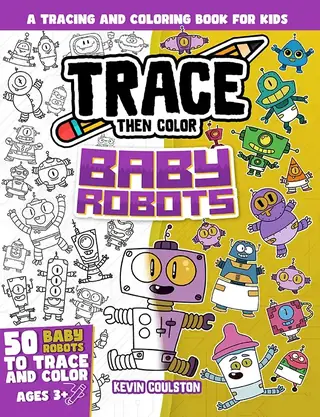 Trace Then Color: Baby Robots
As an Amazon Associate, FirstArtBooks earns from qualifying purchases.
Get free drawing pages by email
Kevin’s newsletter brings new printable drawing and coloring pages and book news. New subscribers also get the free bonus packs: Christmas, animals, dinosaurs, robots, monsters and more, plus the Classroom Drawing Kit.
Questions
What are the pre-writing strokes?
Vertical line, horizontal line, circle, cross, right diagonal, square, left diagonal, X and triangle, usually learned in roughly that order.
At what age do kids draw a circle?
Most children can copy a circle around age 3.
Why are pre-writing strokes important?
Every letter is made from these strokes, so mastering them makes learning to write much easier.