

Drawing is mostly a skill, not a gift. Some kids have an early interest or a good eye, but the children who “can draw” are usually the ones who have drawn the most. Like reading or riding a bike, drawing is learned through practice, good teaching and small successes, which means every child can get better.
Where the talent idea comes from
We often see a child who draws well and call it talent. But we didn’t see the hundreds of hours they spent drawing dragons on the back of homework. Kids who love drawing practice without noticing, and practice is what makes the difference. Interest comes first; skill follows.
There are real differences between people: some kids find fine motor control easier, some notice visual details more, some have more patience. But these are starting points, not limits.
Why the belief matters
A child who believes drawing is a talent may decide, at 8 or 9, that they don’t have it, and stop. A child who believes it’s a skill keeps trying, because they know practice works. This is the idea behind growth mindset, and it fits drawing very well. See growth mindset art activities.
How to show a child that drawing is learnable
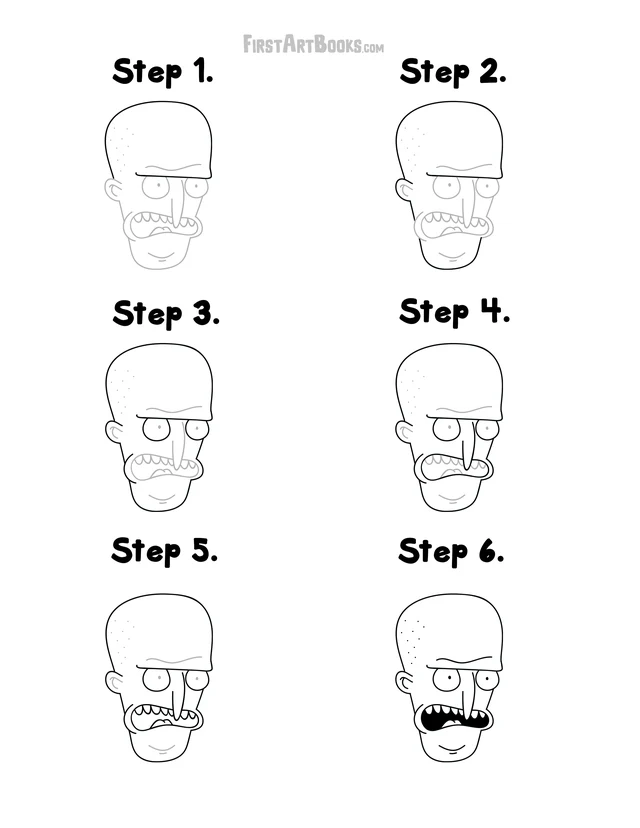
- Break it into steps. A character that looks impossible becomes six small steps. When kids finish a step-by-step lesson, they see it for themselves. Read why step-by-step drawing works.
- Compare then and now. Save a drawing and redraw it a month later. Progress is visible proof.
- Show that artists practice. Tell them every cartoonist started with wobbly drawings and still sketches, erases and redraws.
- Use the word “yet.” “You can’t draw horses yet.”
- Praise effort, not talent. “You worked hard on those hands” beats “You’re so talented.” See 20 ways to praise a drawing.
What about kids who say they’re not artistic?
Start with something low-stakes and fun, like a silly face or a goofy cartoon. Funny drawings can’t really be wrong, so the pressure drops. Then try a short tracing or step-by-step page for a quick win. Our guide on what to do when a kid says “I can’t draw” has eight more steps.
The bottom line
Your child doesn’t need talent to enjoy drawing or to get good at it. They need time, encouragement and lessons that break big drawings into small steps. That is exactly what the How to Draw books are designed for. To get started, see how to help your child learn to draw.
The book that helps
Every How to Draw lesson proves the point: a character that looks hard is really a few small steps. Kids who finish one discover they can draw.
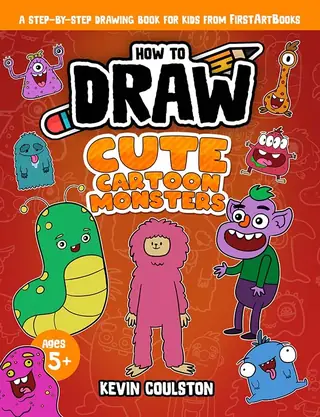 How to Draw: Cute Cartoon Monsters
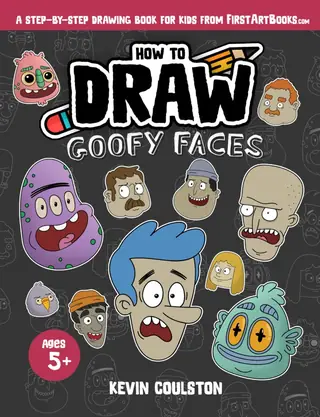 How to Draw: Goofy Faces
As an Amazon Associate, FirstArtBooks earns from qualifying purchases.
Get free drawing pages by email
Kevin’s newsletter brings new printable drawing and coloring pages and book news. New subscribers also get the free bonus packs: Christmas, animals, dinosaurs, robots, monsters and more, plus the Classroom Drawing Kit.
Questions
Can anyone learn to draw?
Yes. Drawing is a learnable skill. With practice and good teaching, any child can improve a lot.
Is drawing ability genetic?
Some traits, like fine motor control or visual attention, vary from person to person, but practice and interest matter far more for drawing skill.
How do I tell my child they are good at drawing without saying talented?
Praise what they did: the effort, the details, the choices. For example, “You kept going until the hands looked right.”