


For most kids, about 10 to 20 minutes of drawing a day is enough to see steady progress. Short, regular practice beats long, rare sessions because skills build through repetition and kids stay eager. One step-by-step page, one sketchbook page or one drawing game a day is a perfect daily habit.
Why little and often works
Drawing is a physical skill as much as a creative one. Hand control, the habit of looking closely and the memory of how to draw a shape all grow with repetition, the same way reading or a musical instrument does. Ten minutes a day adds up to about an hour a week and fifty hours a year. That’s a lot of drawings.
Short sessions also protect the fun. Kids stop while they still want more, which makes them want to come back tomorrow.
How long, by age
- Ages 3 to 4: 5 to 10 minutes.
- Ages 5 to 7: 10 to 15 minutes.
- Ages 8 to 12: 15 to 30 minutes, or longer if they’re into it.
These are starting points. A child who is absorbed can keep going; a child who is tired can stop.
A simple weekly plan
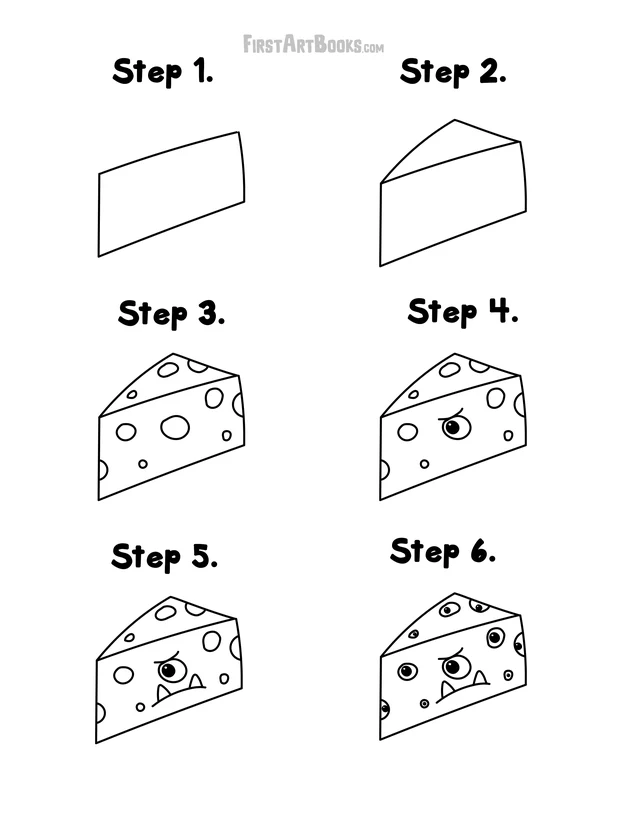
- Monday: a step-by-step character. One page from a How to Draw book or a free lesson.
- Tuesday: make it yours. Draw Monday’s character again, but change something.
- Wednesday: a drawing game. Try the squiggle game or a prompt spin. More in drawing games for kids.
- Thursday: trace or grid. A calm page for focus. See grid drawing for focus.
- Friday: free choice. Anything they want.
- Weekend: show and tell. Hang the best drawing of the week.
Make the habit stick
- Attach it to something. Right after breakfast, after homework or before bath.
- Keep supplies in one place. A box or caddy that’s always ready. See setting up an art corner.
- Use a sketchbook. Filling a book is motivating, and it shows progress. See sketchbook ideas.
- Draw with them. Even five minutes of company makes a big difference.
- Don’t make it a chore. If it turns into a fight, skip a day.
Signs it’s working
After a few weeks, you’ll notice steadier lines, more detail, more confidence trying new subjects, and less “I can’t.” Compare a drawing from the first week with one from the fourth. Kids love seeing that.
For summer and holidays
Longer breaks are a chance for a bigger project. Try the 5-day summer drawing camp or the winter break drawing plan.
The book that helps
One How to Draw page is about the right size for a daily session, and the How to Draw Sketchbook gives kids a place to draw each character again in their own way.
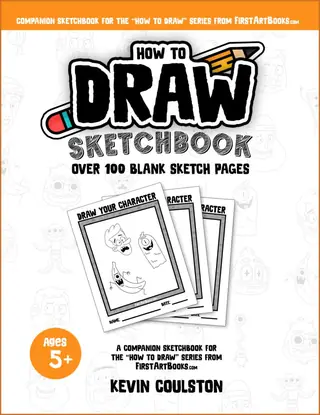 How to Draw: Sketchbook
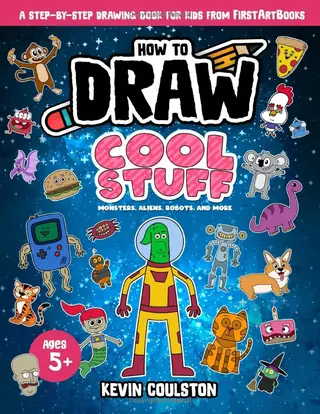 How to Draw: Cool Stuff
As an Amazon Associate, FirstArtBooks earns from qualifying purchases.
Get free drawing pages by email
Kevin’s newsletter brings new printable drawing and coloring pages and book news. New subscribers also get the free bonus packs: Christmas, animals, dinosaurs, robots, monsters and more, plus the Classroom Drawing Kit.
Questions
How many minutes a day should a child draw?
About 10 minutes for young kids and 15 to 30 minutes for school-age kids. Consistency matters more than length.
Can kids get better at drawing with practice?
Yes. Drawing is a learned skill. Regular practice builds hand control, observation and confidence.
Should I make my child draw every day?
Invite rather than require. A regular, short time slot and easy supplies make most kids want to draw.