
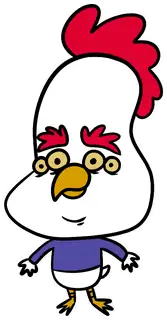
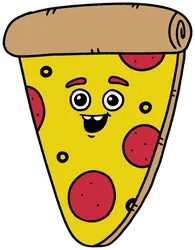
To draw cartoon expressions, change three things: the eyebrows, the eyes and the mouth. Eyebrows slanting down mean angry; slanting up means sad or worried; raised high means surprised. A big curve up is happy; a wobbly line is nervous. With these simple recipes, kids can draw twelve feelings on the same face.
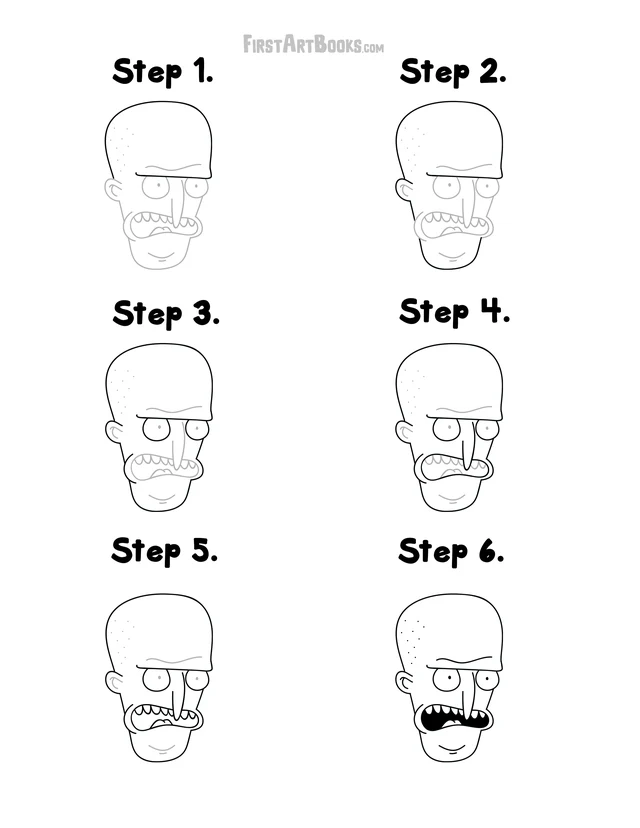
12 feelings, with recipes
- Happy: eyebrows relaxed, eyes open or closed in upside-down U’s, a big smile.
- Sad: eyebrows slanting up in the middle, eyes looking down, a mouth curving down.
- Angry: eyebrows slanting down to the nose, a frown or gritted teeth.
- Scared: eyebrows high and bent, tiny pupils, a wobbly open mouth, maybe sweat drops.
- Surprised: eyebrows way up, big round eyes, a round O mouth.
- Silly: one eye winking, tongue sticking out.
- Grumpy: low, heavy eyebrows, half-closed eyes, a flat or down-turned mouth.
- Sleepy: droopy half-closed eyes, a small yawning mouth, Z’s.
- Excited: huge eyes with shine, a wide open smile, motion lines.
- Confused: one eyebrow up, one down, a squiggly mouth, a question mark.
- Embarrassed: blush lines on the cheeks, eyes looking away, a small smile.
- Proud: eyes closed, chin up, a satisfied smile.
Practice it
- Draw a 3 by 4 grid of circles and put one feeling in each.
- Pick one character from a lesson and draw it with three different moods.
- Make a feelings chart for the fridge.
Free practice: the funny faces lessons. For eyes on their own, see 10 cartoon eye styles.
A feelings lesson in disguise
Drawing expressions helps kids name and recognize emotions. Counselors and teachers use it all the time:
- “Draw how you feel right now.”
- “Draw a face for how the character felt in the story.”
- “What would make this grumpy face happy? Draw it.”
It’s a gentle way to talk about feelings. See calming drawing activities.
Cartoonist tricks
- Exaggerate. Bigger expressions read better.
- Use the whole body. Slumped shoulders for sad, arms up for excited.
- Add symbols. Sweat drops, steam, hearts, stars and question marks.
Books full of faces
Kevin’s grumpy, silly and goofy faces books are packed with expressions to learn from. For why funny faces are worth the time, read silly faces: why goofy drawing is serious learning.
The book that helps
Kevin’s three faces books (Grumpy, Silly and Goofy) are full of expressions to learn from, built step by step.
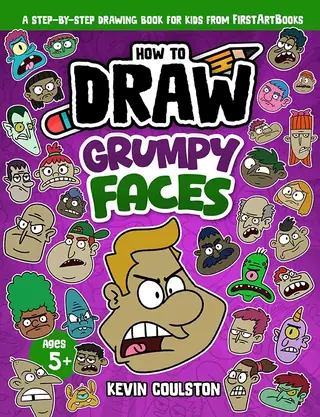 How to Draw: Grumpy Faces
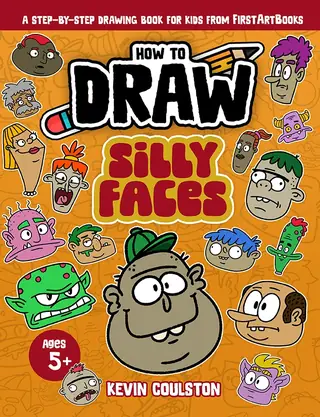 How to Draw: Silly Faces
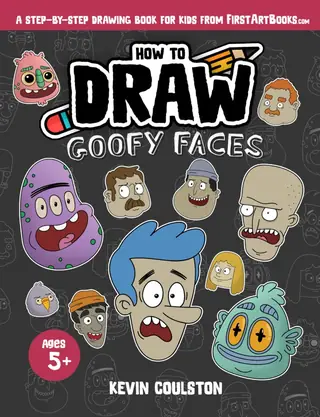 How to Draw: Goofy Faces
As an Amazon Associate, FirstArtBooks earns from qualifying purchases.
Get free drawing pages by email
Kevin’s newsletter brings new printable drawing and coloring pages and book news. New subscribers also get the free bonus packs: Christmas, animals, dinosaurs, robots, monsters and more, plus the Classroom Drawing Kit.
Questions
How do you draw cartoon expressions?
Change the eyebrows, eyes and mouth. Eyebrows usually carry the feeling: down for angry, up in the middle for sad, high for surprised.
How do you draw a sad cartoon face?
Slant the eyebrows up in the middle, point the eyes down, and curve the mouth down.
Can drawing faces help kids with emotions?
Yes. Drawing expressions helps kids name and recognize feelings and gives them a calm way to talk about them.