
How to Draw A Baby Lobster
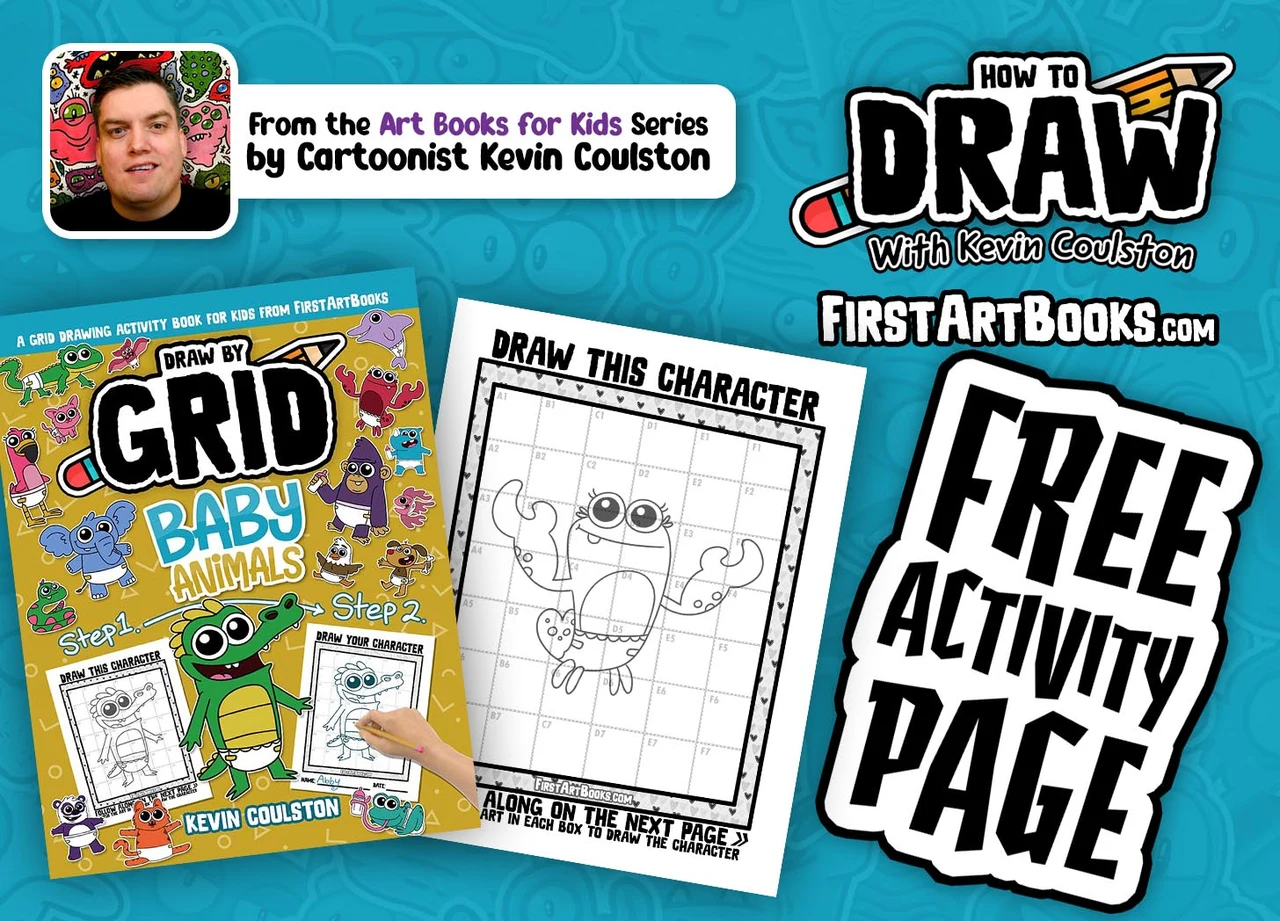
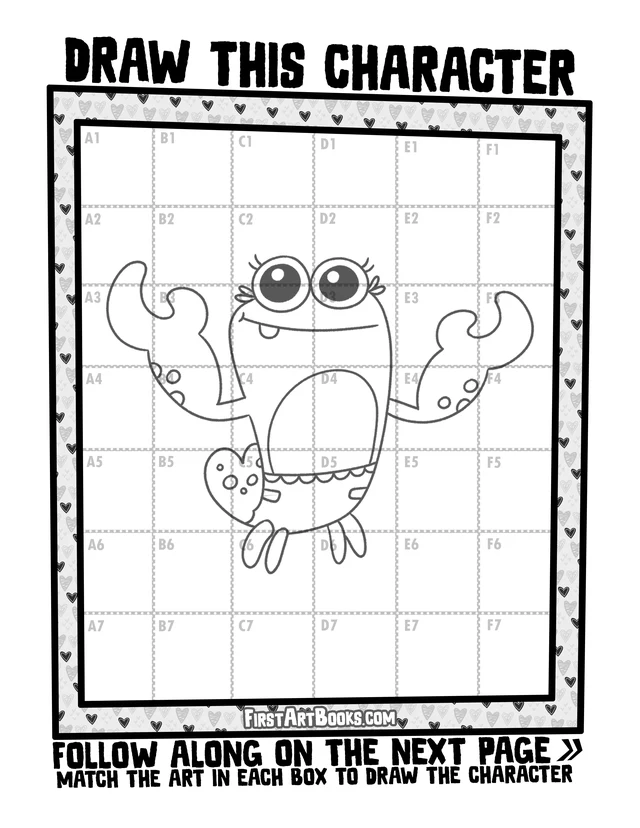
Draw this baby lobster one square at a time: copy each square of the example into the same square of the blank grid. It’s a free printable for ages 5 and up that takes about 30 minutes. The page comes from Kevin Coulston’s book Draw by Grid: Baby Animals.
- Grid drawing
- Ages 5+
- Grades K–5
- Intermediate
- About 30 min
You’ll need
- Both printed pages (the character and the blank grid)
- Pencil and eraser
- Ruler (optional)
You’ll practice
- Looking closely
- Copying one square at a time
- Proportion and spacing
Free Activity Page from Draw by Grid: Baby Animals
Learn How to Draw A Baby Lobster Using the Grid Method
Today I’m sharing a free activity page from my book Draw by Grid: Baby Animals. The character featured on this page is a cartoon baby lobster—and yes, he’s wearing a diaper. This free page is a fun and approachable way for kids to learn How to Draw A Baby Lobster using the grid drawing method, which breaks drawings down into small, manageable sections.
If your child enjoys animals, silly details, and structured drawing activities, this page is a great introduction to the Draw by Grid format. As always, this character was hand-drawn by me—no AI, no shortcuts—so the lines, proportions, and expressions are all intentionally designed to be friendly and easy for young artists to follow.
About the Book: Draw by Grid: Baby Animals
The free How to Draw A Baby Lobster page is just one of many characters found inside Draw by Grid: Baby Animals. This book is filled with baby-style animal characters, all designed with soft shapes, simple details, and playful expressions.
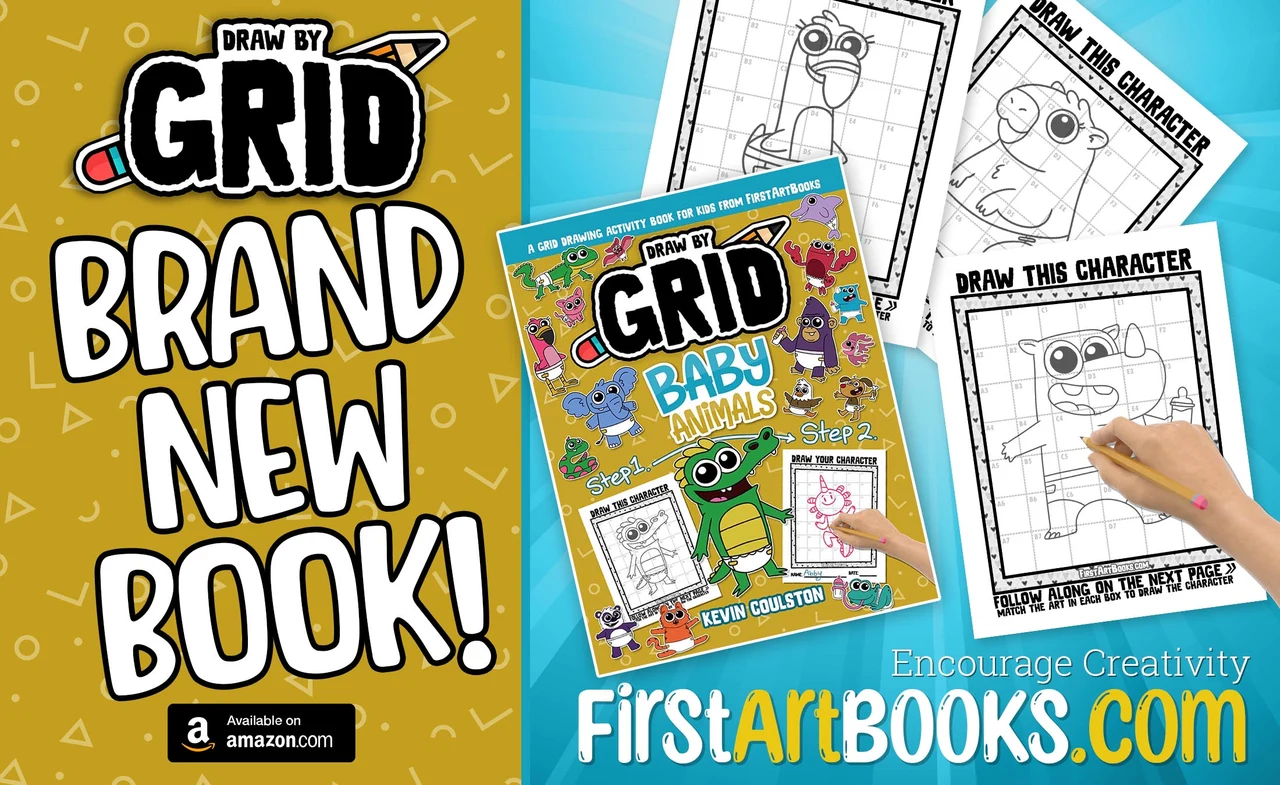
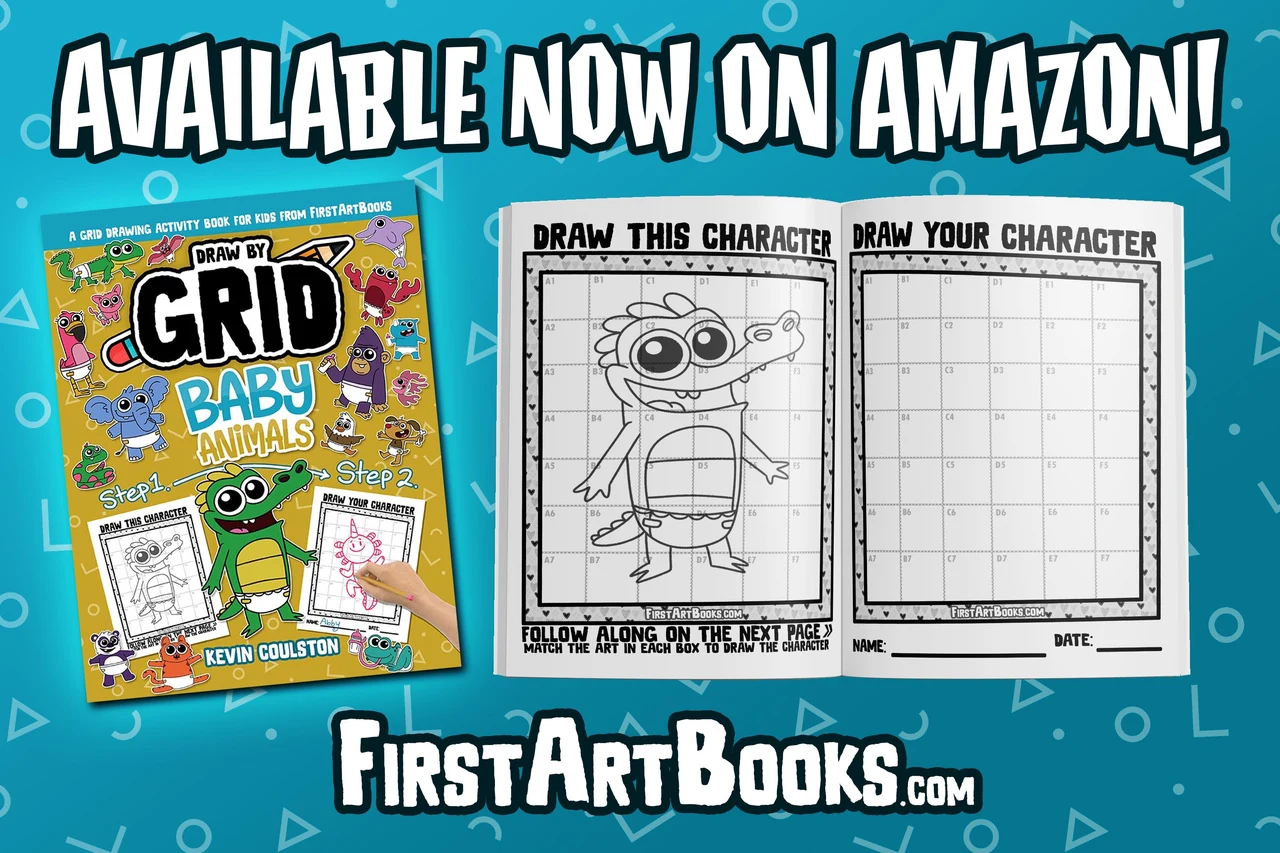
Inside the book, kids use the same grid method to draw baby animals that feel cute, silly, and approachable. The diaper-wearing lobster is a great example of the tone of the book—lighthearted, funny, and perfect for young artists who enjoy drawing characters with personality.
Every page follows the same grid format, so once kids understand how one page works, they can confidently move on to the next. If your child enjoys learning How to Draw A Baby Lobster, they’ll likely enjoy working through the rest of the animals in the book as well.
Why Grid Drawing Works So Well for Kids
The grid method is one of the most effective ways to help kids learn how to draw more complex characters. Learning How to Draw A Baby Lobster through a grid helps kids understand proportion, spacing, and structure without needing advanced drawing skills.
Here’s why grid drawing works so well:
- It breaks drawings into smaller steps
- It improves observation skills
- It helps kids slow down and focus
- It builds accuracy without pressure
- It makes challenging drawings feel doable
For kids who sometimes feel stuck when starting a drawing, the grid provides a clear path forward. When they finish the baby lobster, they don’t just see a cute character—they see proof that they can complete a full drawing.
Hand-Drawn Art, Designed for Young Artists
Every character in Draw by Grid: Baby Animals, including the baby lobster on this free page, is hand-drawn by me. I don’t use AI-generated artwork. I draw each character intentionally, keeping lines clean, shapes readable, and expressions friendly.
When kids learn How to Draw A Baby Lobster from hand-drawn art, they’re learning from characters that were created specifically for them—not something generated automatically. That makes a difference, especially for younger kids who benefit from clear, thoughtful design.
Parents often tell me they appreciate knowing the artwork is original and made with care.
From Grid Drawing to Creative Confidence
One of the great things about learning How to Draw A Baby Lobster using the grid method is that it builds skills kids can use beyond the page. Over time, kids start to notice patterns:
- How shapes fit together
- How details are placed
- How characters are built from simple forms
Many kids eventually begin drawing without the grid, using what they’ve learned as a mental guide. Others continue enjoying the grid format because they like the structure. Both outcomes are positive.
The goal isn’t to rush kids into freehand drawing—it’s to help them feel confident and capable while enjoying the process.
Baby Animals Grid Drawing Book for Kids
Part of the Larger Draw by Grid Series
Draw by Grid: Baby Animals is part of my larger Draw by Grid series, which includes many different themes designed to support growing artists. Across the series, kids can use the grid method to draw:
- Animals
- Baby animals
- Dinosaurs
- Robots
- Monsters
- Faces
- Aliens
- Silly characters
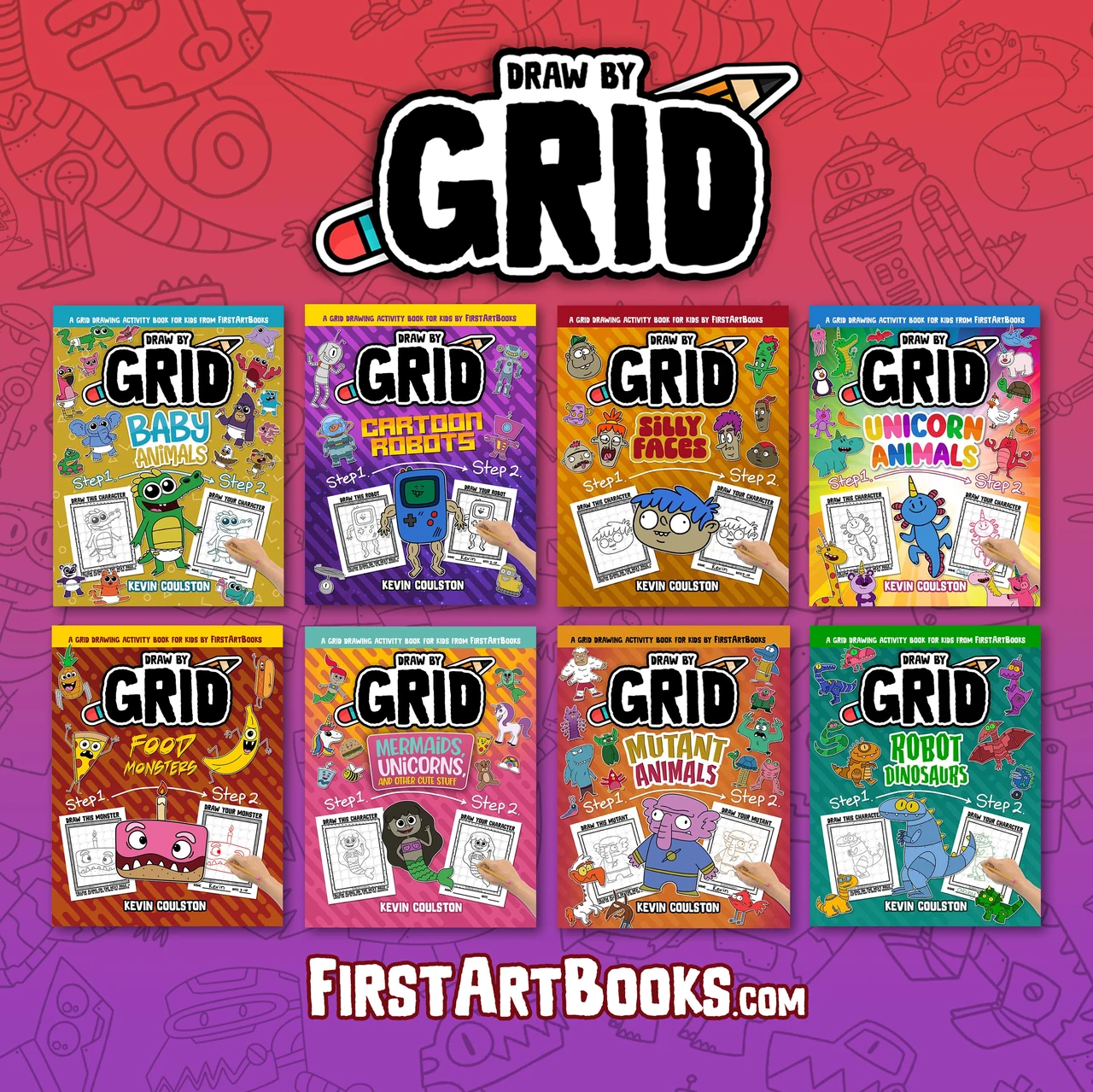
Each book keeps the same format so kids know exactly what to expect. If they enjoy learning How to Draw A Baby Lobster, they’ll feel comfortable jumping into other grid-based books as well.
A Screen-Free Creative Activity
Pages like this How to Draw A Baby Lobster activity are a great screen-free option for kids. Grid drawing encourages patience, focus, and problem-solving in a way that feels fun rather than like work.
This free page works well for:
- Quiet afternoons
- Homeschool art lessons
- Classroom drawing time
- Travel activities
- Creative breaks
Because the page can be printed multiple times, kids can revisit it whenever they want and see how their skills improve.
About the Free Baby Lobster Grid Drawing Page
The free page included with this post teaches How to Draw A Baby Lobster one square at a time. Instead of starting with a blank page and guessing where everything goes, kids copy what they see in each grid square. This approach helps remove frustration and makes the drawing process feel much more achievable.
The baby lobster character features:
- A rounded, baby-style body
- Oversized claws that feel cartoonish and fun
- Simple eyes and a friendly expression
- A diaper for extra silliness
- Clear grid lines that guide placement
Free Activity Pages (save and print):
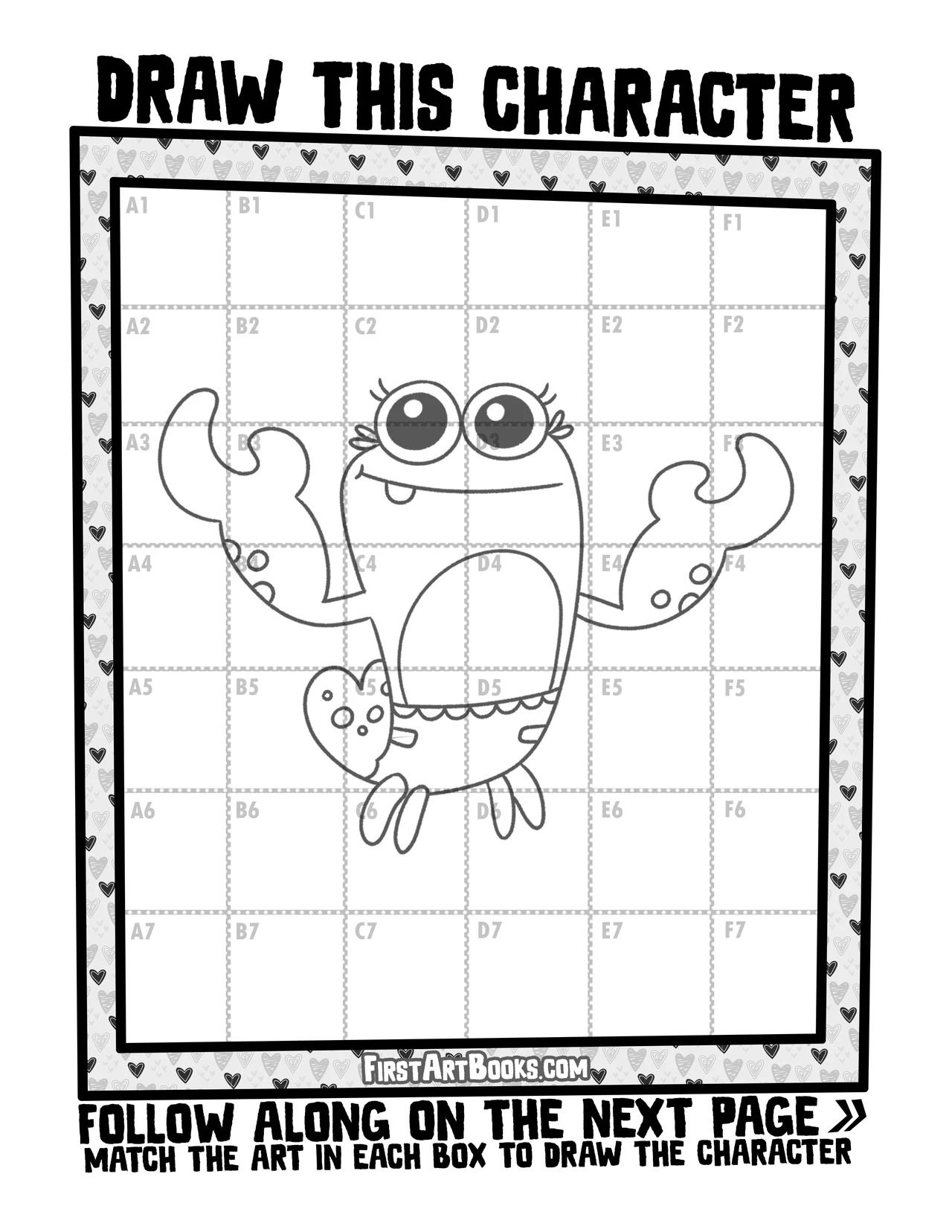
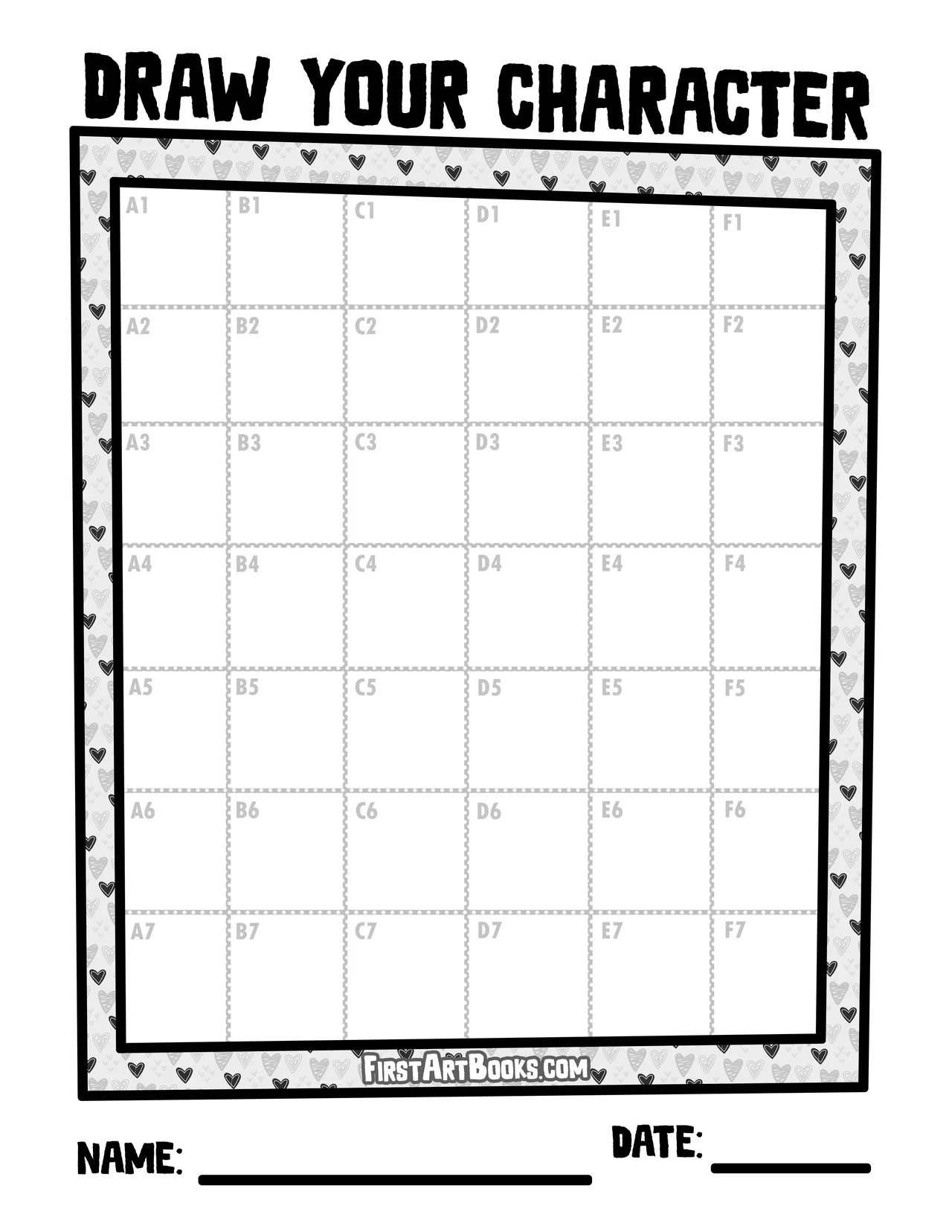
By following the grid, kids slowly build the lobster from the top down and side to side. Each square becomes a small task, which helps kids stay focused and confident. By the time they finish, they’ve learned How to Draw A Baby Lobster without ever feeling overwhelmed.
Printing this page more than once is encouraged. Many kids enjoy drawing the same character again to see how their second or third attempt improves, or to try different coloring ideas once the drawing is complete.
Draw The Other 49 Baby Animals Here
Final Thoughts
I hope your child enjoys this free How to Draw A Baby Lobster grid drawing page. It’s a fun, low-pressure way to practice drawing while creating a character that’s a little silly and full of charm.
If your young artist has fun with this page, Draw by Grid: Baby Animals offers many more characters to explore using the same easy-to-follow grid method.
Draw it 3 ways
Every FirstArtBooks theme comes in three formats. Trace it, draw it step by step, or copy it square by square: the more ways kids draw a character, the better they know it.
- How to Draw
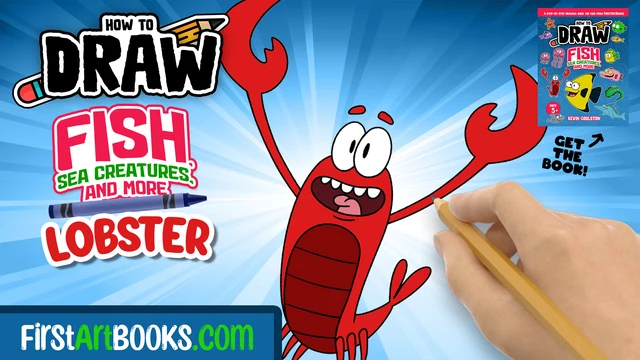 How to Draw a LobsterThe same character · Ages 5+See all How to Draw books
- Trace Then Color
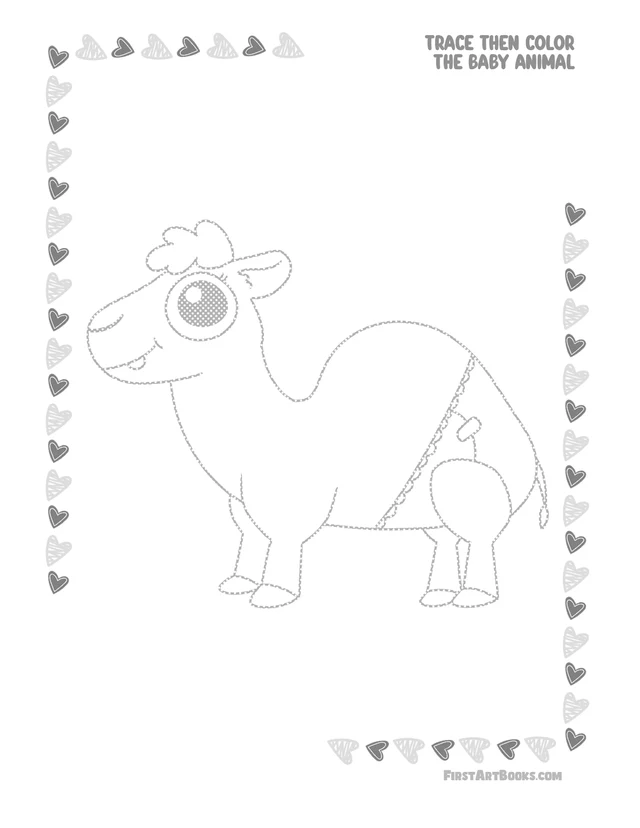 Baby Camel Coloring PageSame theme · Ages 3+See all Trace Then Color books
- Draw by Grid
 Copy it square by squareYou’re on this pageSee all Draw by Grid books
Fun facts about the real lobster
- A lobster has two different claws: a big one for crushing and a smaller one for cutting.
- Lobsters grow by shedding their hard shell and growing a new, bigger one.
- Most lobsters are dark green or brown. They only turn bright red when cooked.
Draw your lobster, then add one of these facts in a speech bubble or on the back of the page.
Finished? Draw the scene next
- Add a background: draw a coral reef with a crowd of fish.
- Write one line under your picture to finish this story:
A shadow swam over the reef, and…
That’s a picture book page. Draw two more and you have a whole story.
Draw it, then write about it
Give your baby lobster a name. Where does it live, and what does it love to do? Write two or three sentences.
Print a draw-and-write sheet: a box for the drawing and lines for the story. Primary lines (K–2) · Regular lines (grades 2–5)
Want to make it a whole story? Try the comic story starter or fold a mini-book in Story Studio.
Common mistakes and quick fixes
- The fins look stuck on.
- Start each fin inside the body line, then curve it out, so it grows from the body.
- The tail is too small to swim.
- Make the tail almost as tall as the body: it’s how sea creatures push through water.
- The creature floats in empty space.
- Add a few bubbles, a wavy sand line or some seaweed so it looks like it’s under water.
- Losing track of which square you’re on.
- Number the rows and columns on both grids, and put a finger on the example square while you draw.
More in 10 common drawing mistakes kids make.
Talk about it
For the grown-up: ask one or two of these while your child draws. There are no wrong answers.
- How deep in the ocean do you think this creature lives?
- How does it move through the water: fins, tail, legs or jets?
- What name fits this character?
- Which step was the trickiest? What did you do to get past it?
More ideas in 25 questions to ask kids about their art.
Questions about this grid drawing
What age is this baby lobster grid drawing for?
Ages 5 and up (about grades K to 5). Kids new to grids can start with just the head, then come back for the rest.
How long does it take?
About 30 minutes. Kids who add their own details or a background often keep going longer.
What supplies do you need?
Both printed pages (the character and the blank grid); pencil and eraser; ruler (optional).
What size does it print?
US Letter (8.5 by 11 inches). Use Print this page or Download PDF above. On A4 paper, choose “Fit to page” in the print settings.
How does grid drawing work?
Copy what you see in one square of the example onto the same square of the blank grid, then move to the next square. Square by square, the whole drawing comes out the right shape.
For teachers: grade, timing and standards
Grades K–5, about 30 minutes. Grid drawing, intermediate level.
National Core Arts Standards (visual arts)
- VA:Re7 Perceive and analyze artistic work: students observe a drawing closely, square by square.
- VA:Cr2 Organize and develop artistic ideas and work: students use the grid method to plan a drawing.
See every lesson by standard, plus the math in grid drawing, on the arts standards map.
Copies: print as many as your class needs. More in the teacher resources, the Animals hub and our no-prep sub plans.
Get the free Sea Creature Drawing Pack
12 printable sea creature pages to draw, trace and color, sent with your welcome email. After that, Kevin’s newsletter brings new free pages and book news.
Take the idea into a book
Want more characters to draw, trace or color? Explore these related books and see which approach fits your next creative session.
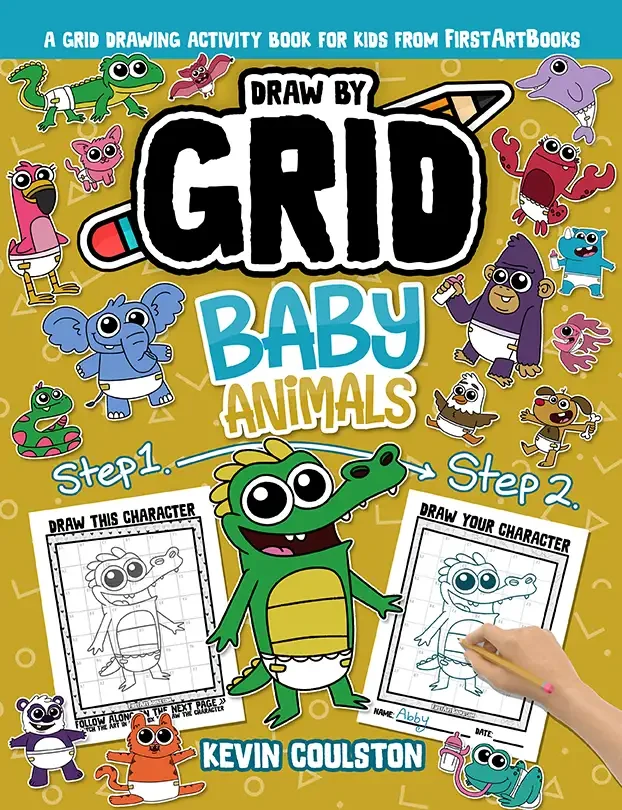
Draw by Grid: Baby Animals
By Kevin Coulston
Explore this book →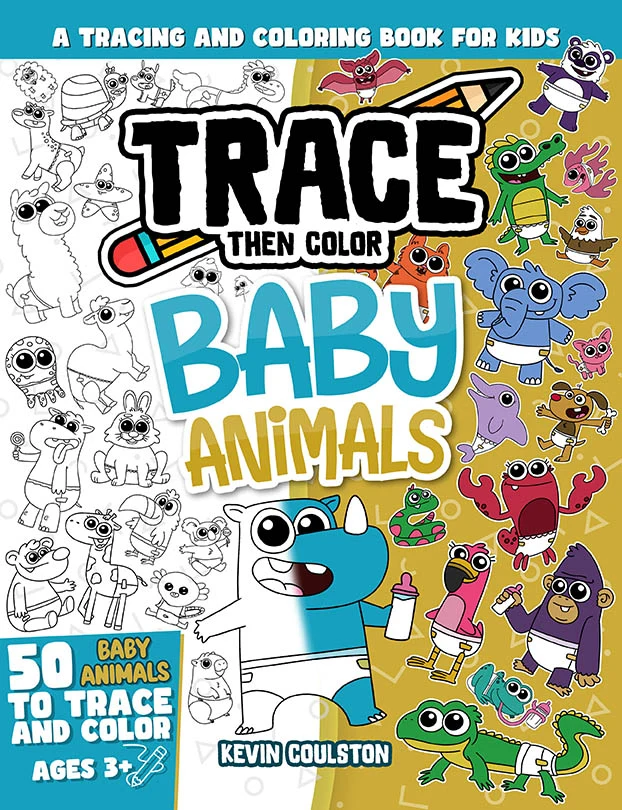
Trace Then Color: Baby Animals
By Kevin Coulston
Explore this book →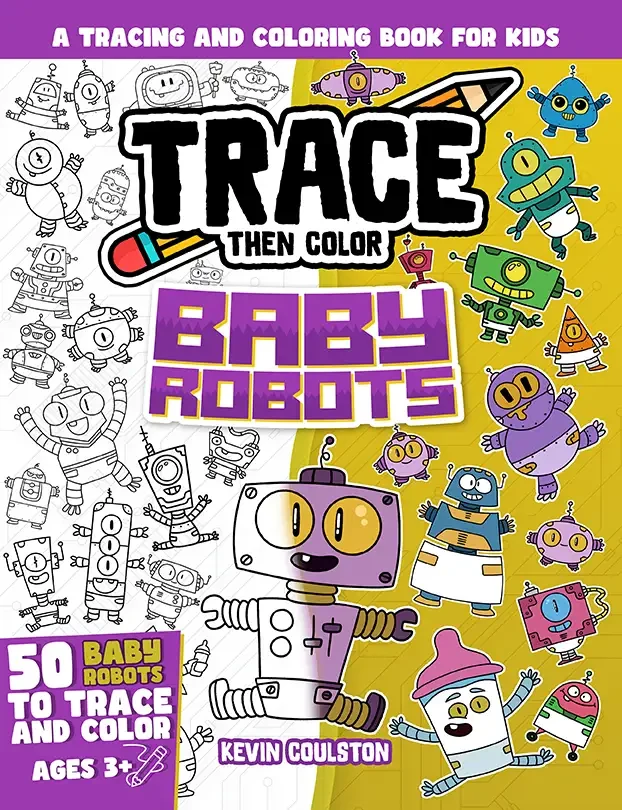
Trace Then Color: Baby Robots
By Kevin Coulston
Explore this book →More like this: all 23 free sea creature drawing lessons and pages →
Another idea to try
 Free activities
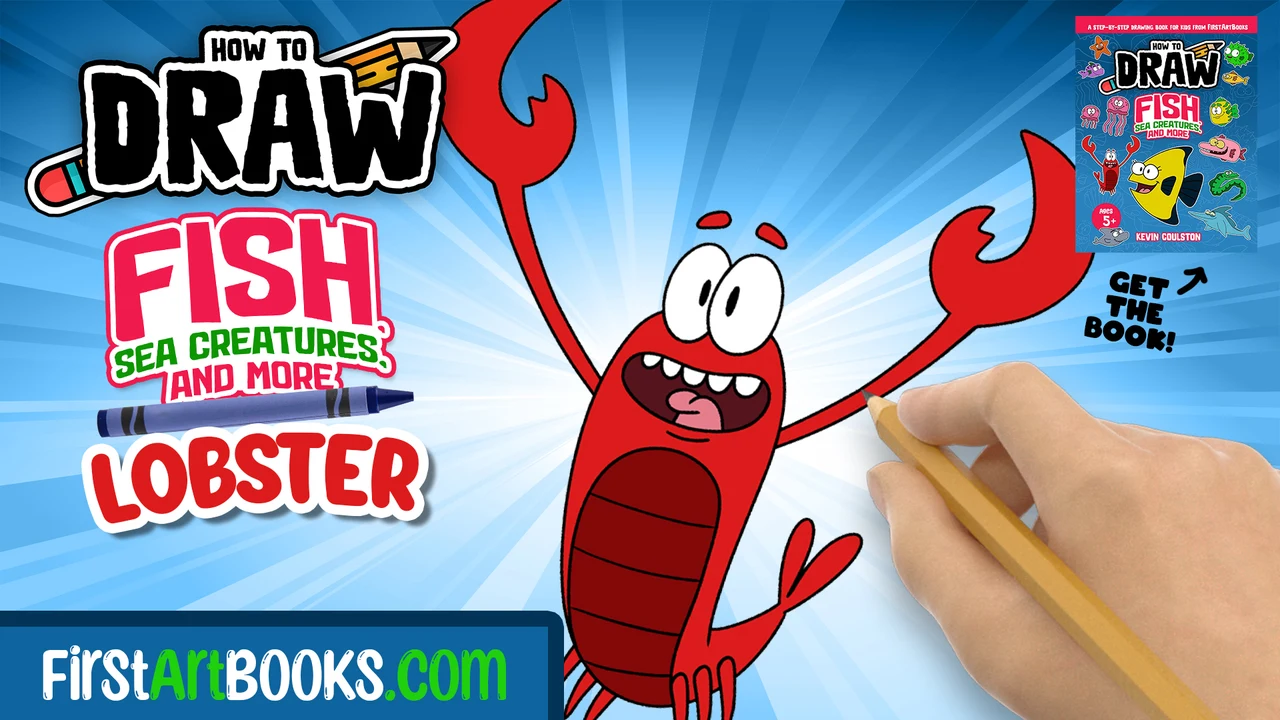
Video Drawing Tutorial: How to Draw A Lobster
Watch the video below to learn how to draw a lobster! Learn to draw over 50 fun fish and sea creatures with simple, step-by-step instructions.…
 Drawing tips
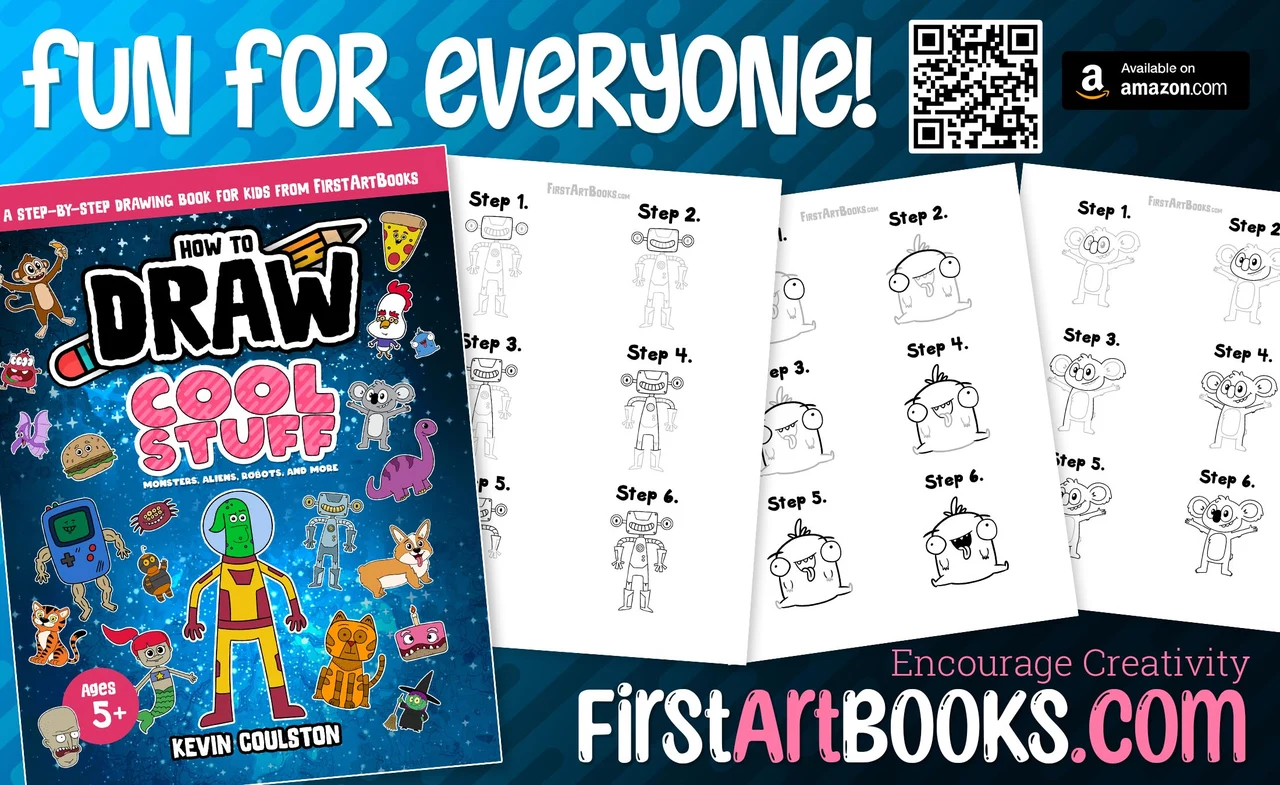
Draw a Little Bit of Everything with How to Draw: Cool Stuff
Discover Endless Creativity with How to Draw: Cool Stuff Are you ready to dive into the world of drawing but not sure where to start? Or maybe you…
 Free activities
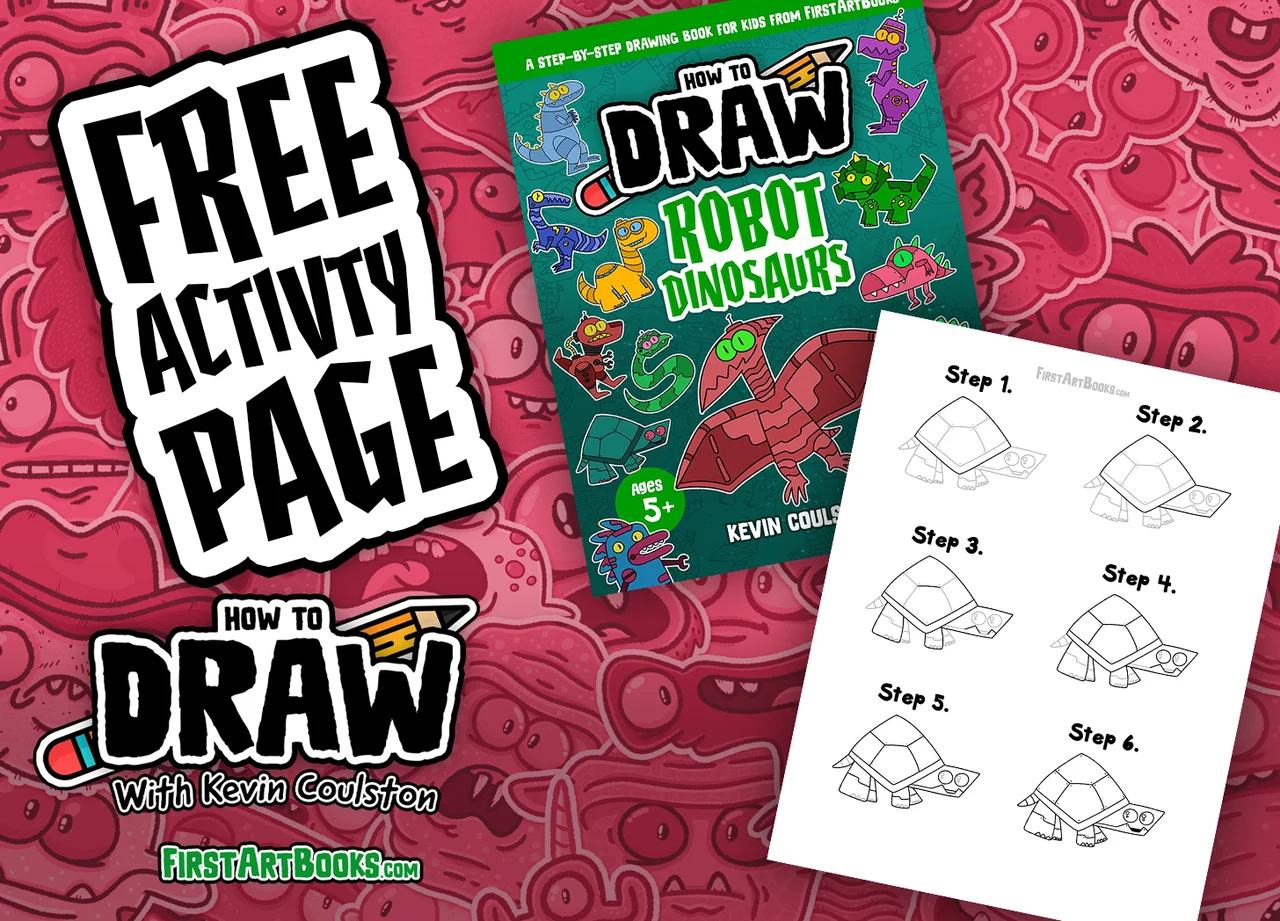
Free Activity Page: Draw A Robot Dino-Turtle!
Learn to Draw a Robo-Turtle with This Free Activity Page! Get ready to dive into the world of futuristic dinosaurs with an exciting free activity…