Why Does My Child Get Frustrated When Drawing?
If you have ever watched your child sit down to draw with excitement, only to end up frustrated a few minutes later, you are not alone.
It usually starts with a big idea. They want to draw a dinosaur, a unicorn, a monster, or a robot. They can see it clearly in their mind. In their imagination, it already looks amazing.
Then they draw the first line.
It does not look the way they pictured it.
They erase it. They try again. They erase it again. The paper starts to wear down. Their voice changes. Before long they are saying, “I can’t do it,” or “I’m bad at drawing.”
So why does my child get frustrated when drawing?
Most of the time, it is not because they lack ability. It has more to do with expectations, comparison, and not yet understanding how drawing actually works.
Their Imagination Is Ahead of Their Skill
Kids are incredibly imaginative. They can picture detailed characters and scenes in their heads. The problem is that their hands cannot always keep up with what they are imagining.
Drawing is a physical skill. It requires coordination, control, and practice. When a child expects the image in their head to instantly appear on paper, disappointment shows up quickly.

Adults understand that skills take time to develop. Kids often assume that if something does not look right immediately, it means they are not good at it.
In reality, that gap between imagination and skill is completely normal. It is part of learning any creative skill.
Perfectionism Starts Earlier Than We Think
Parents are often surprised when they see perfectionism in young children. We tend to associate perfectionism with schoolwork or sports. But drawing is often where it shows up first.
You might notice your child erasing the same line over and over. They might restart the drawing multiple times. Sometimes they refuse to finish because it “doesn’t look right.”
When a parent asks why their child gets frustrated when drawing, perfectionism is often part of the answer. The child cares deeply about the result. They want it to match what they see in their head.
The problem is that drawing is a process. It starts with simple shapes. It builds step by step. Early lines are supposed to be rough. Kids do not always realize that even experienced artists begin with basic circles and guidelines.
They only see the finished version.
The Blank Page Can Feel Intimidating
Another reason kids get frustrated is the pressure of a blank page.
When you hand a child an empty sheet of paper and say, “Draw something,” that freedom can actually feel overwhelming. They have to decide what to draw, where to start, how big to make it, and how to make it look good.
That is a lot of pressure for a young artist.
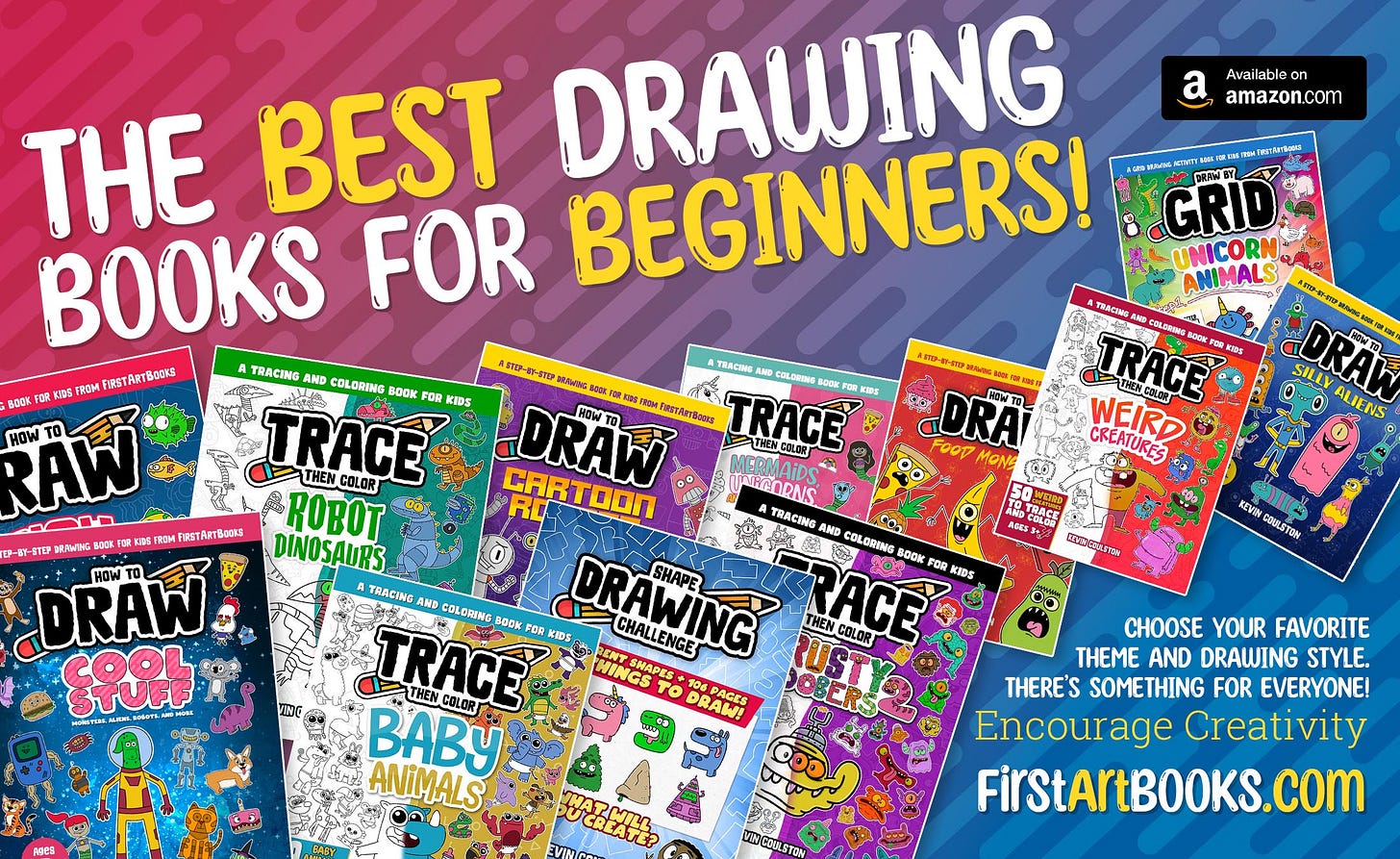
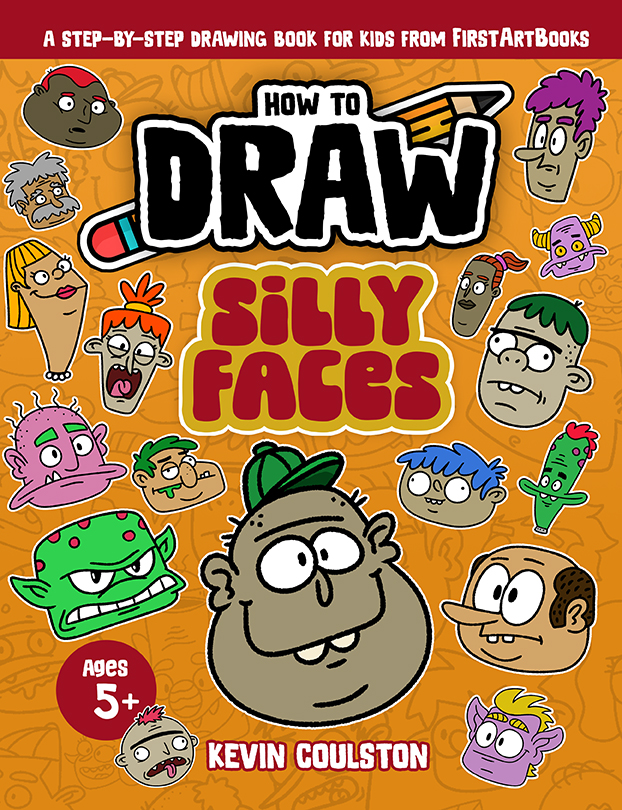
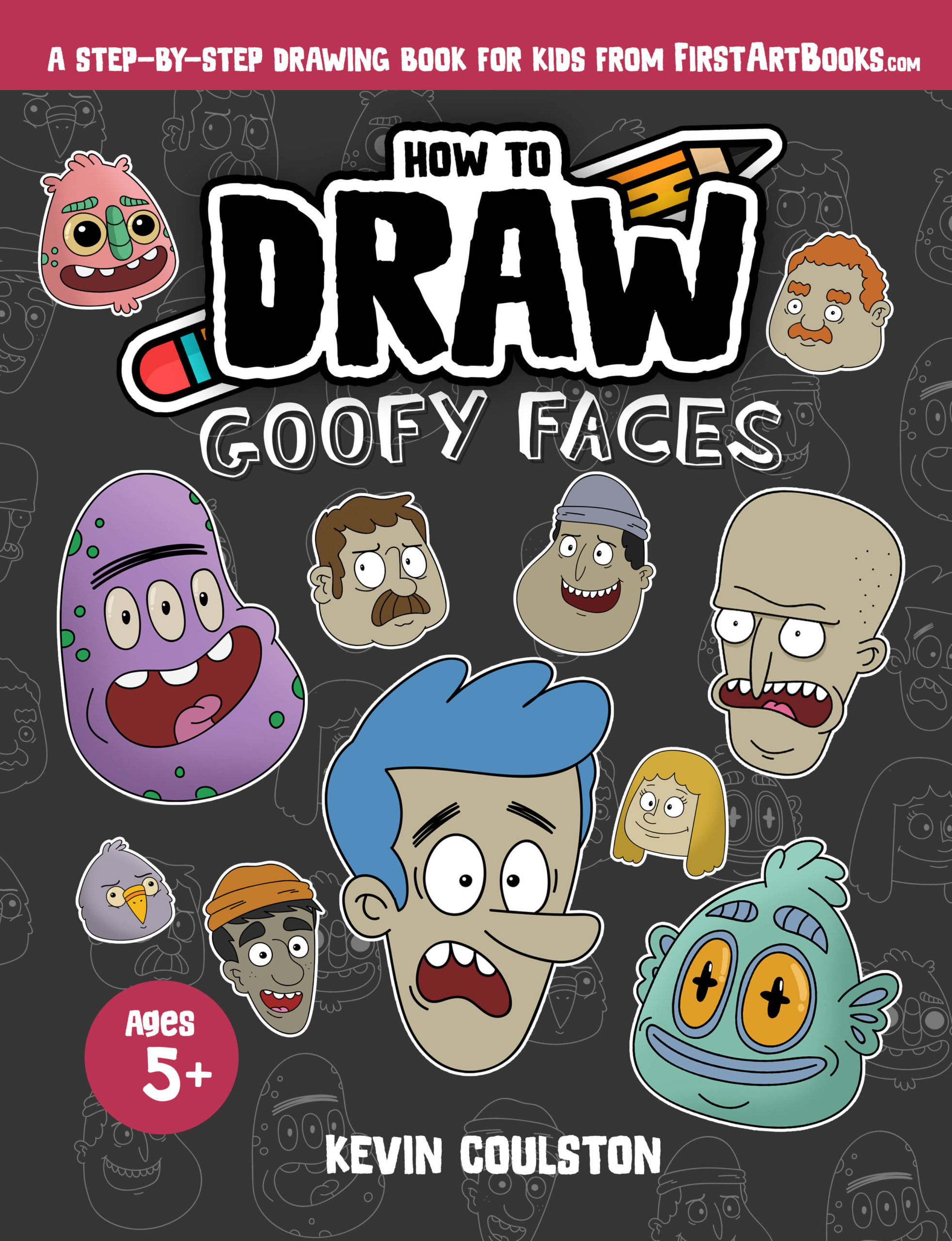
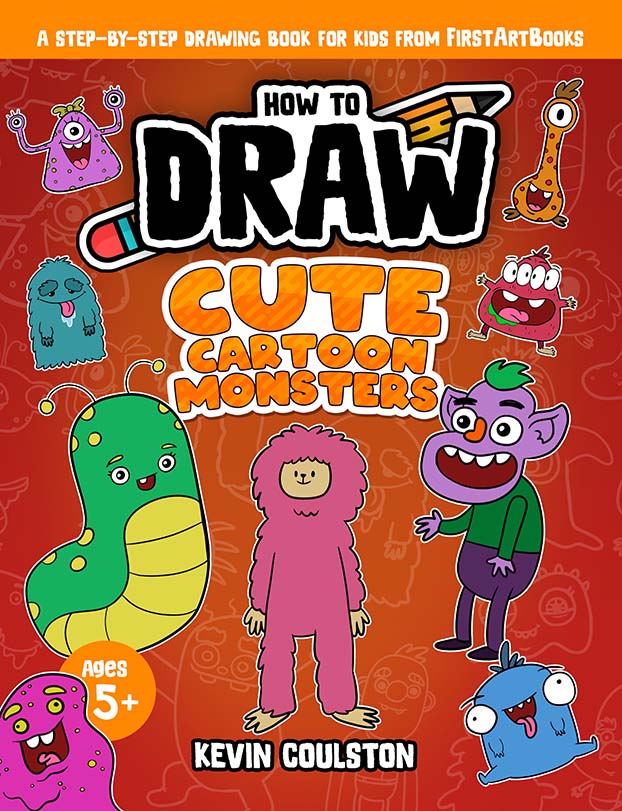
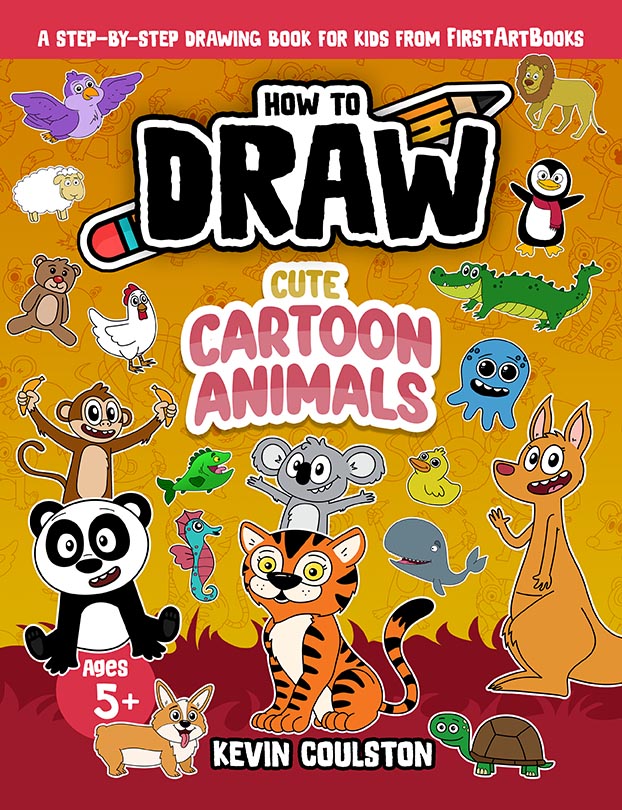
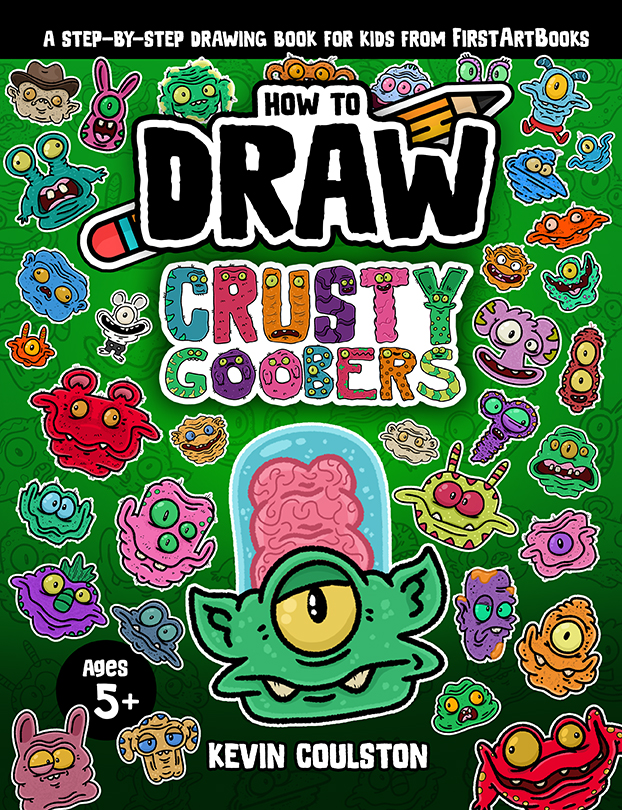
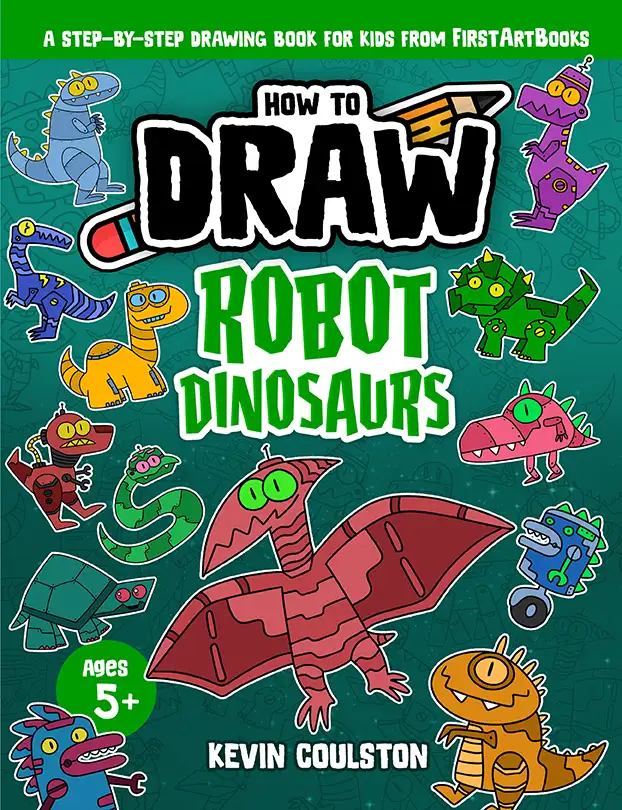
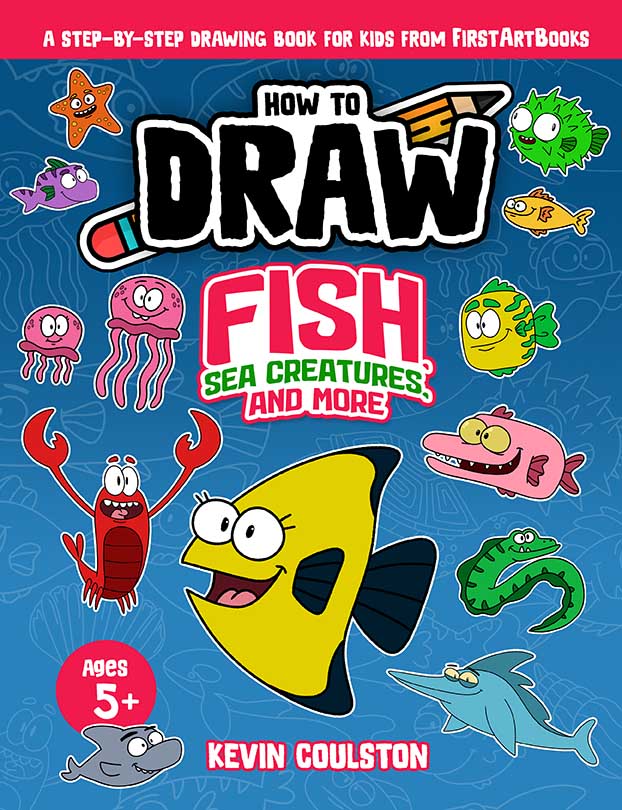
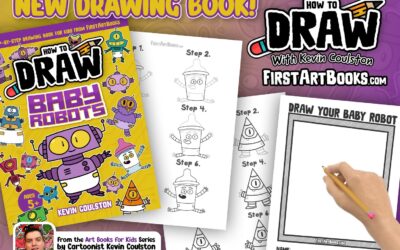
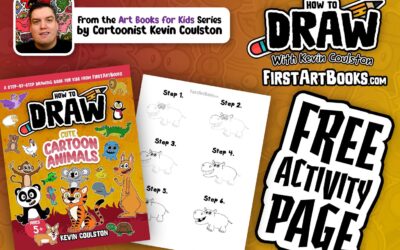
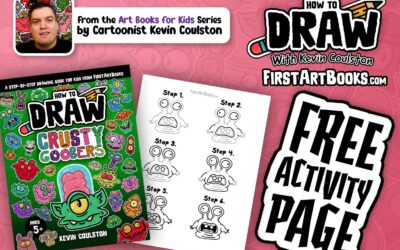
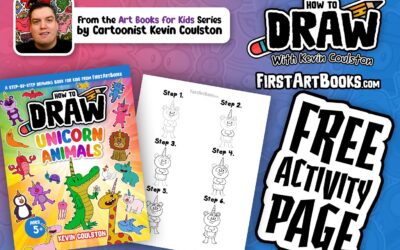
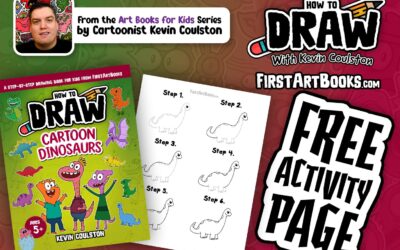
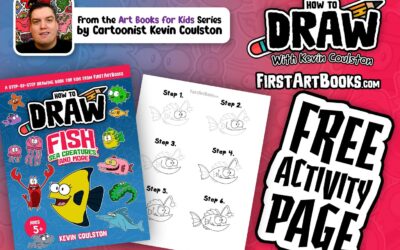
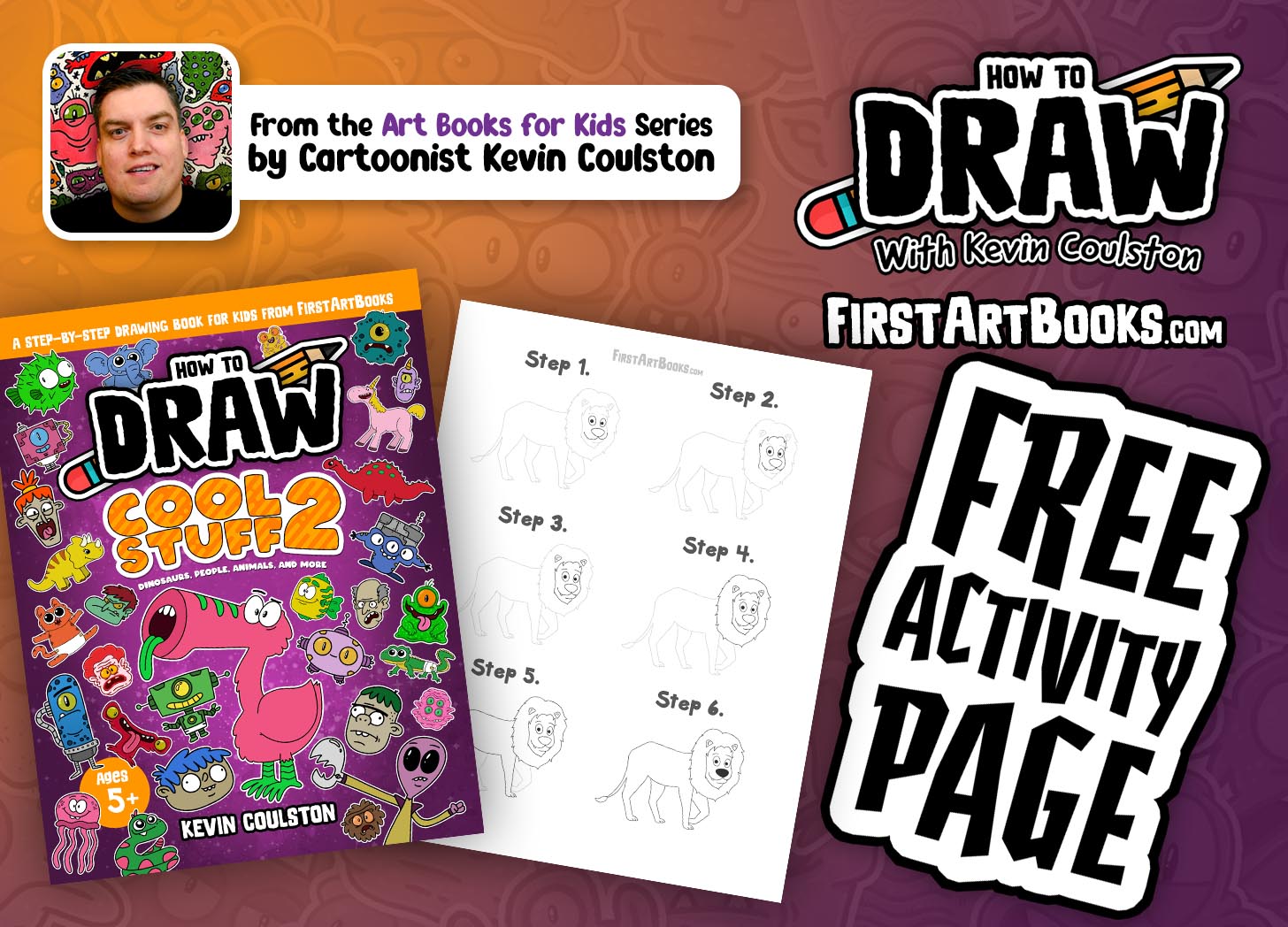
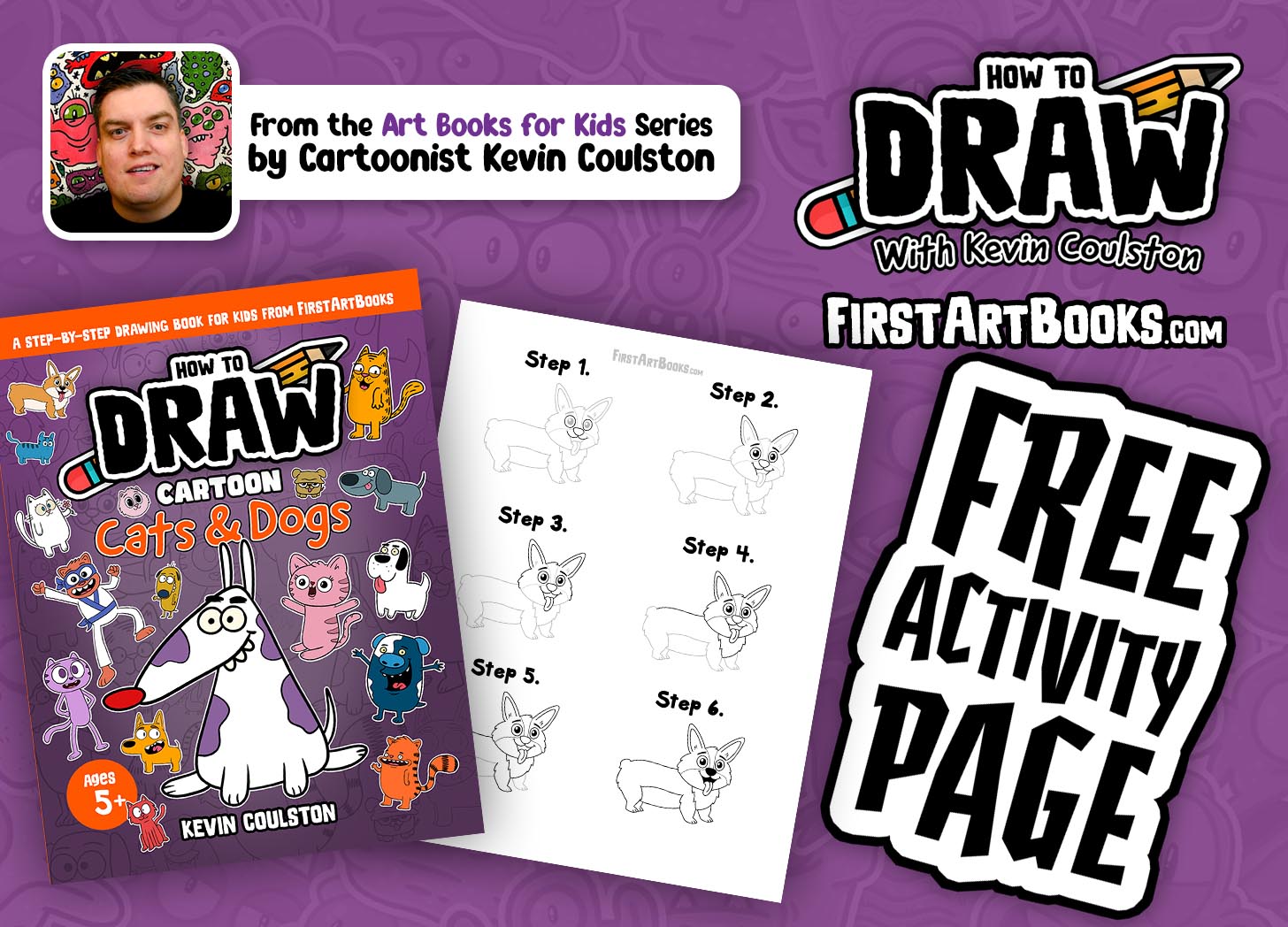
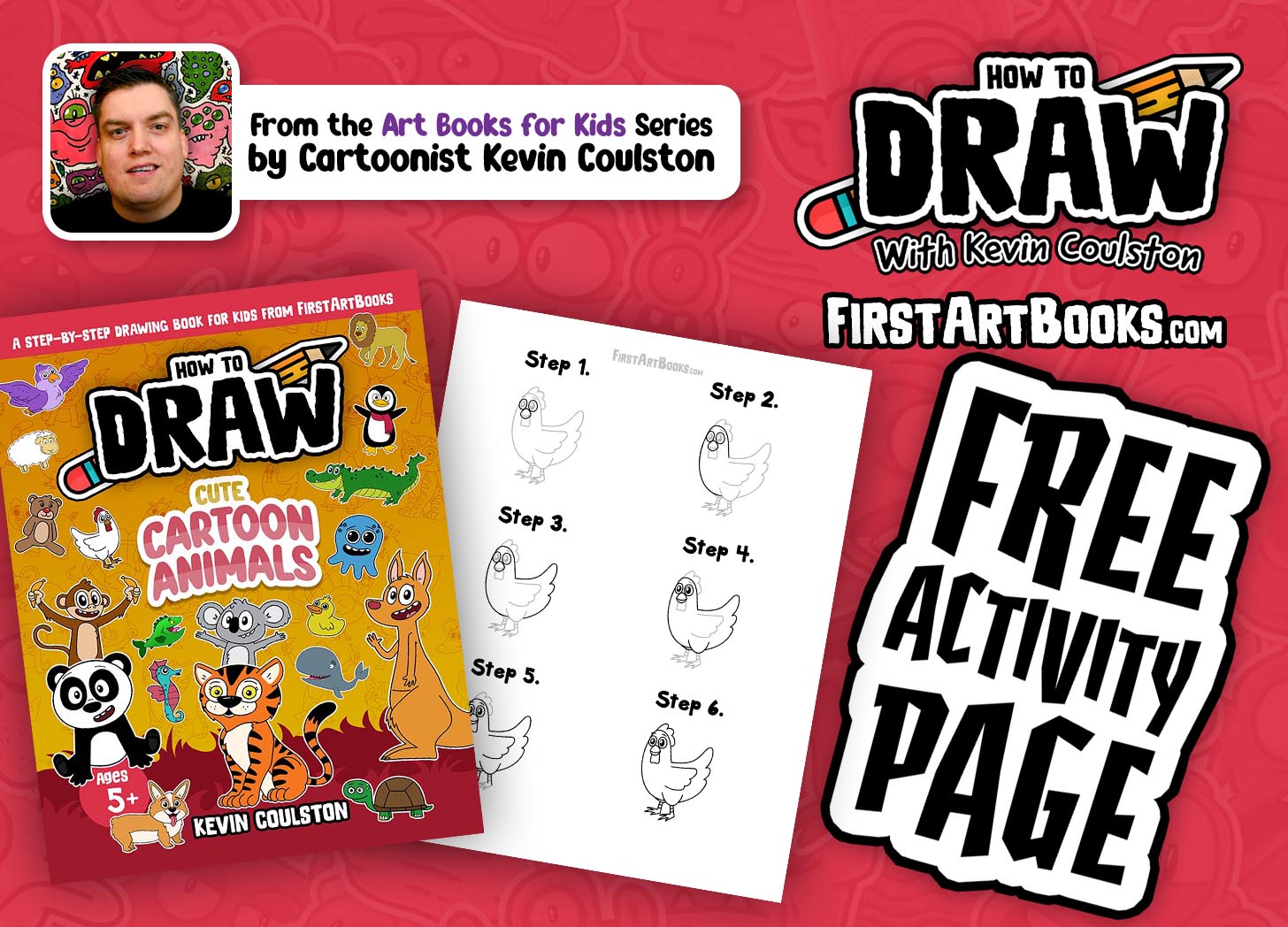
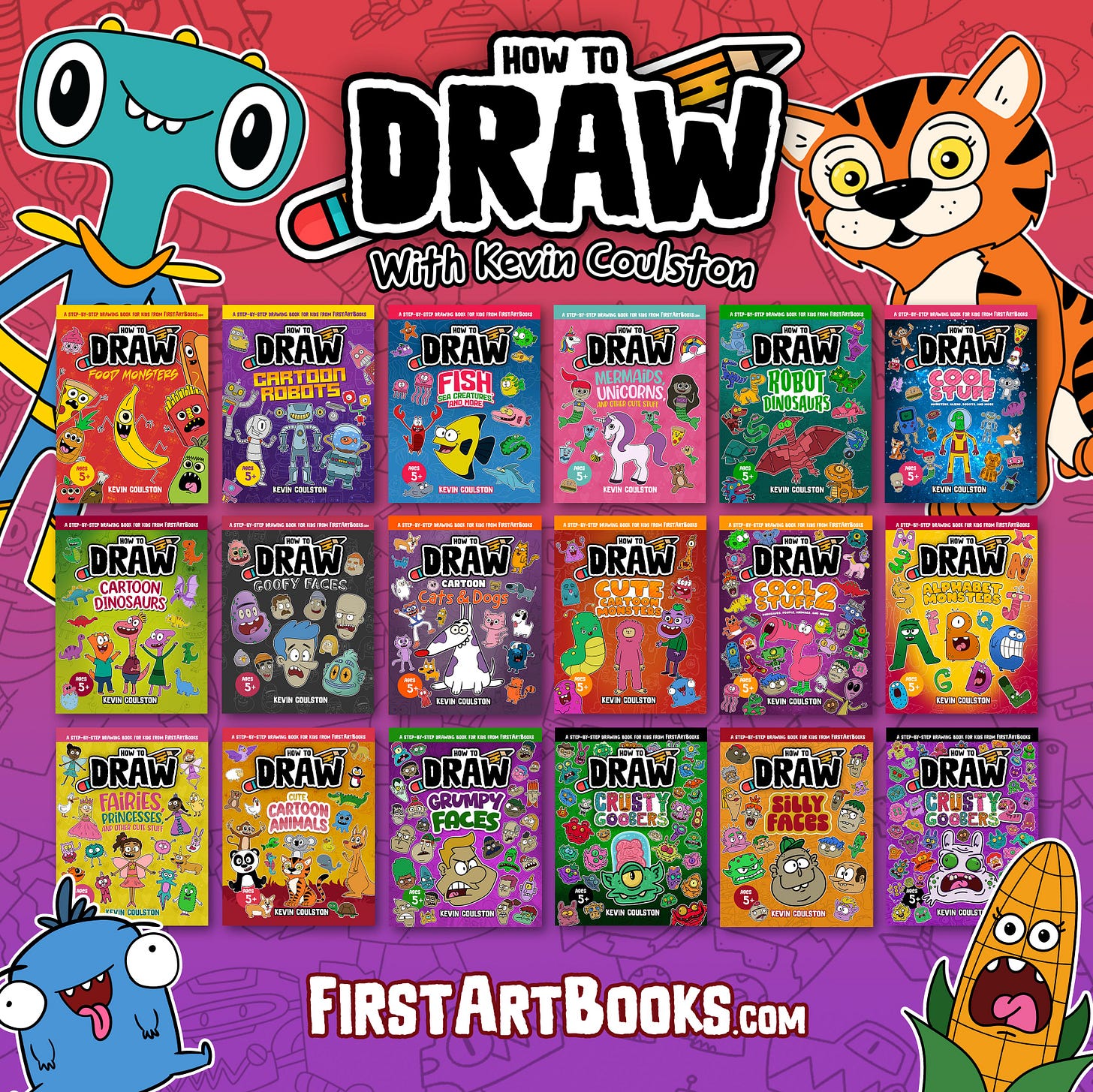
This is one reason I created structured drawing books instead of just open sketchbooks. In my How to Draw series, each character is broken down into clear, manageable steps. Kids do not have to guess where to begin. They start with a simple shape and build from there.
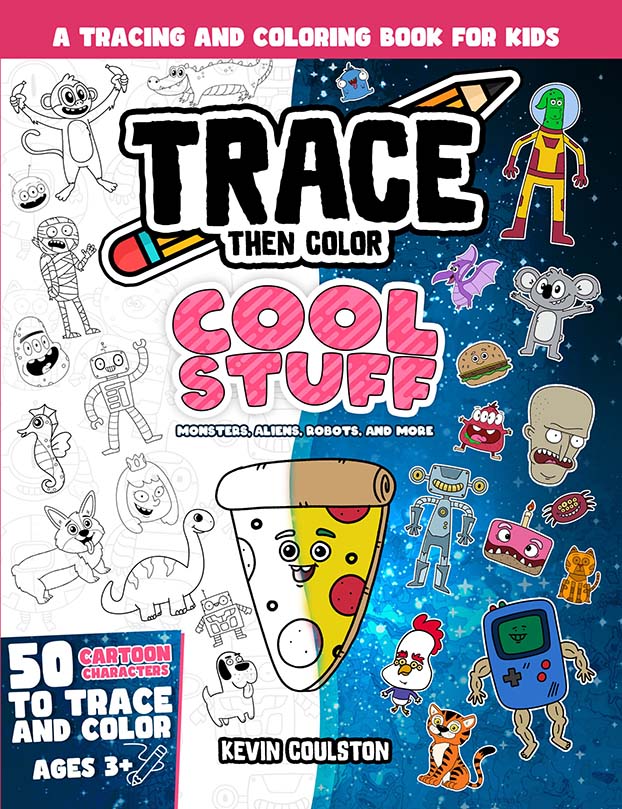
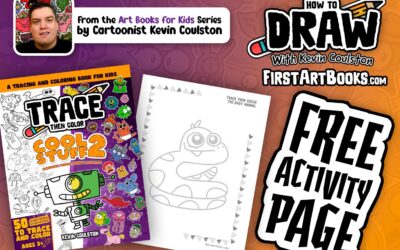
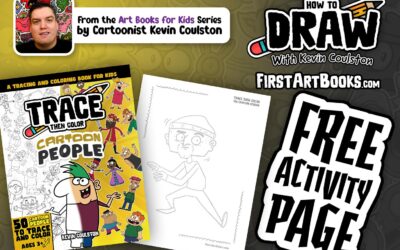
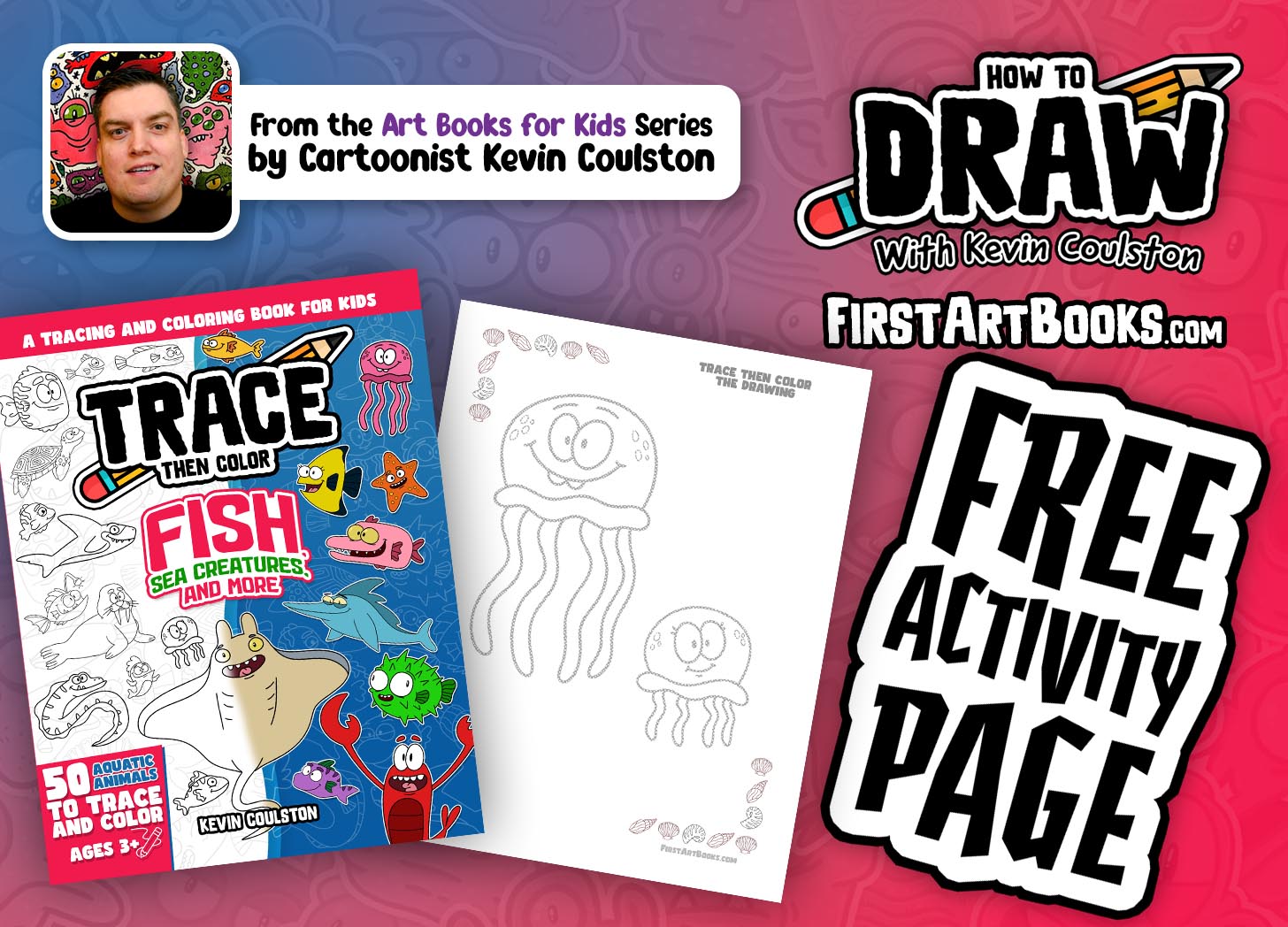
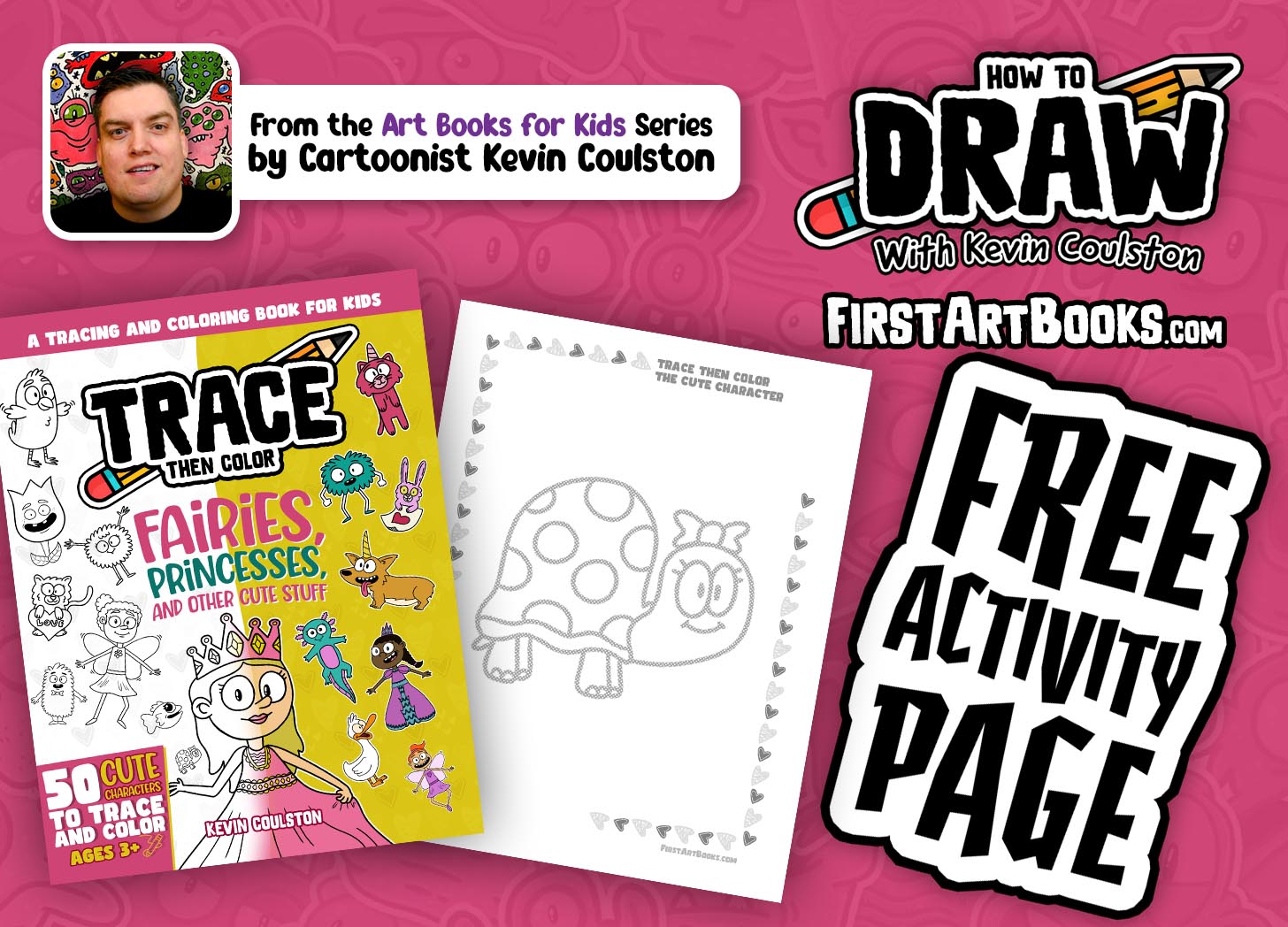
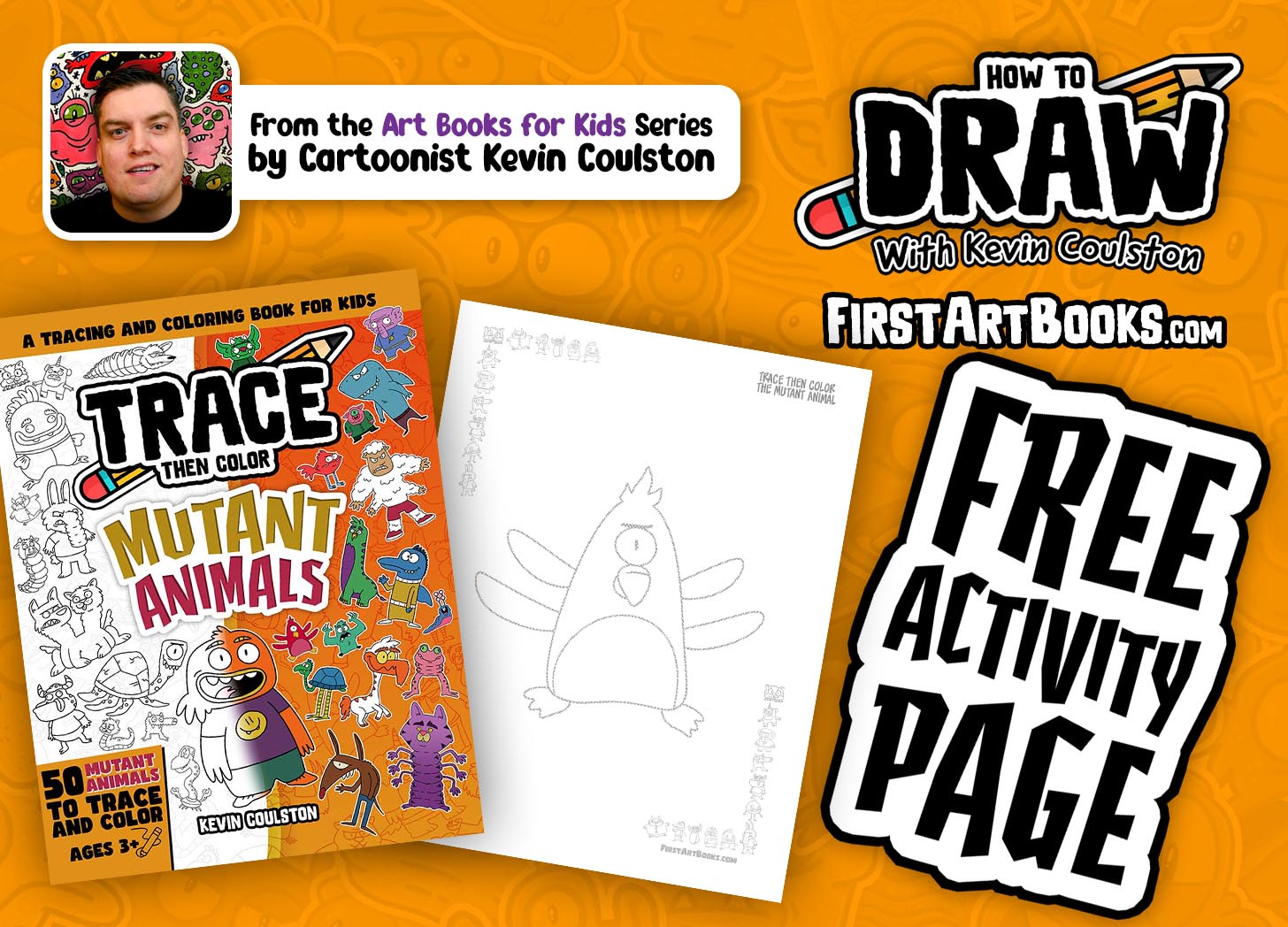
In my Trace Then Color books, the structure goes even further. Kids trace first, which helps build pencil control and confidence before they ever worry about making something perfect on their own.
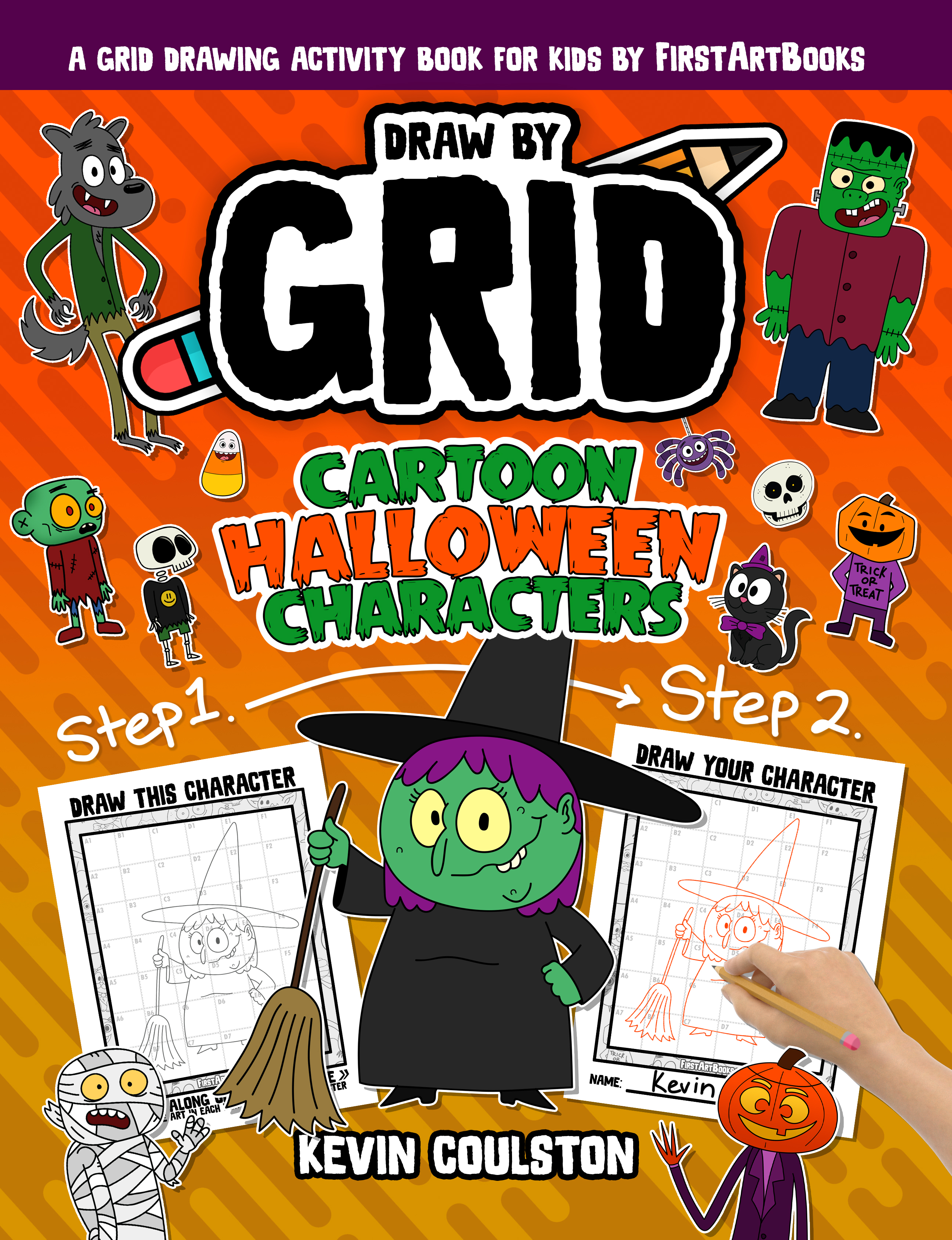
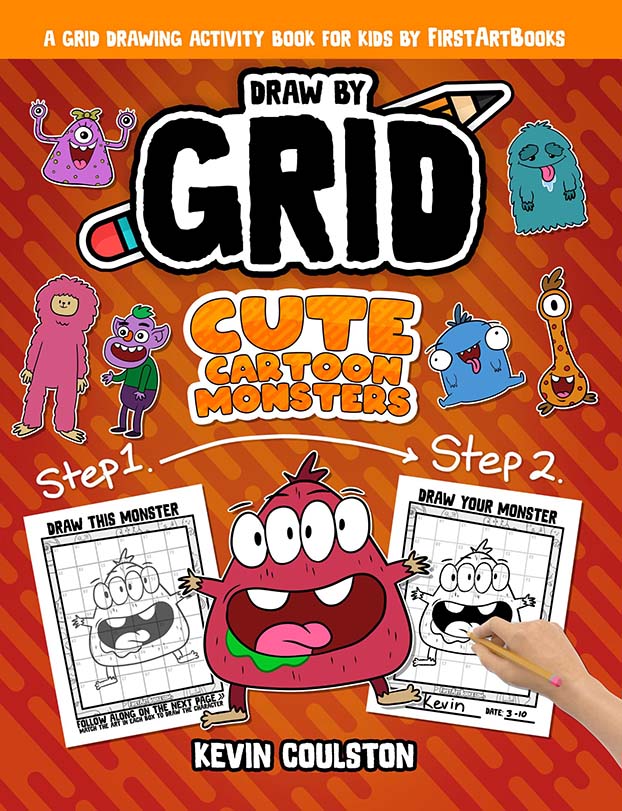
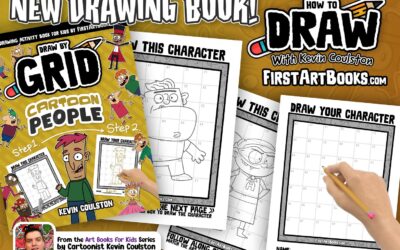
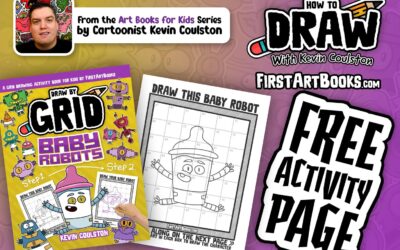
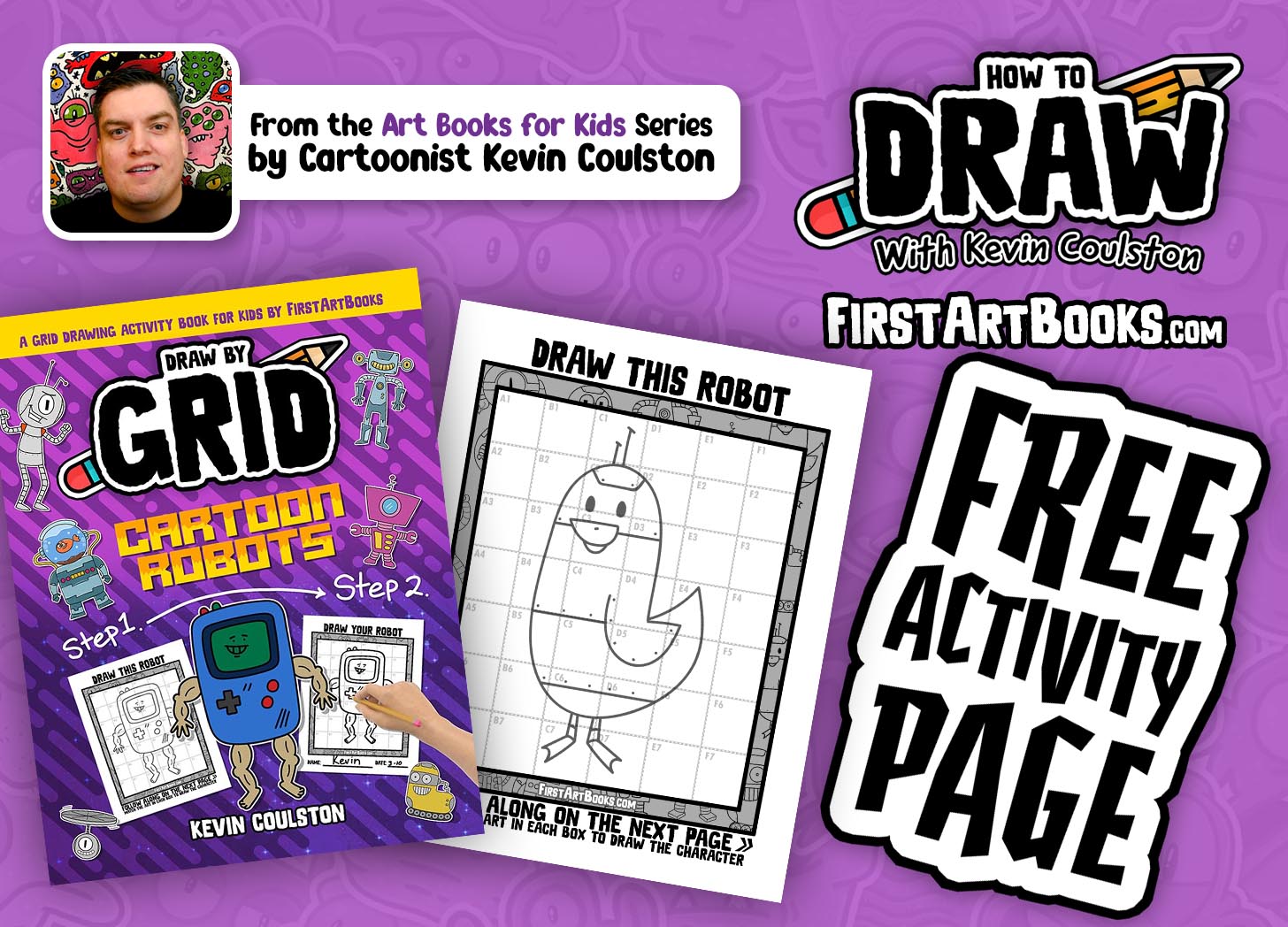
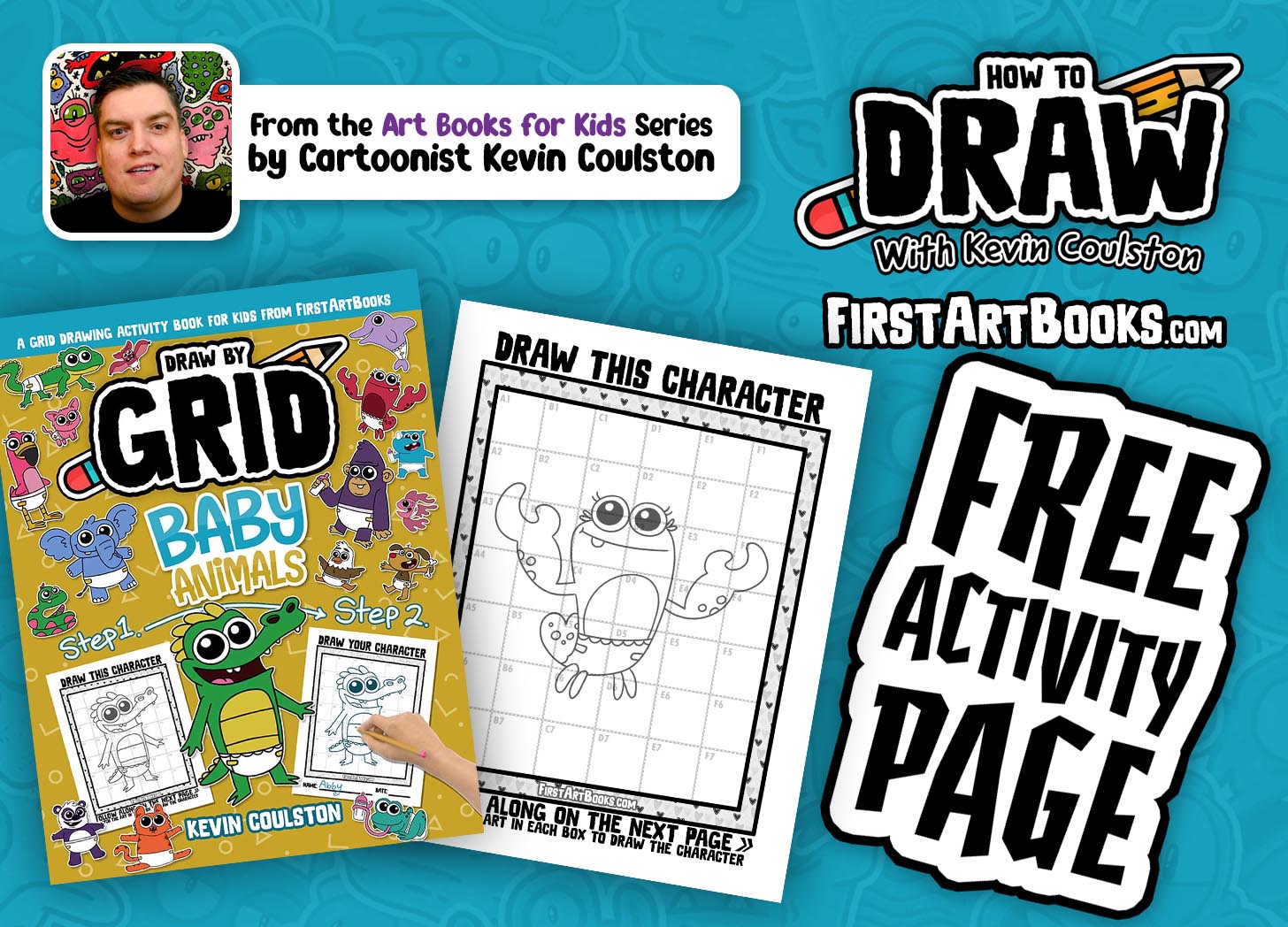
And with Draw by Grid, the page is divided into sections so they can focus on one small area at a time instead of the whole picture at once.
Structure reduces overwhelm. When overwhelm goes down, frustration usually follows.
Comparison Makes It Worse
Kids compare more than we realize. They compare their drawings to illustrations in books. They compare to friends. They compare to older siblings.
They might even compare today’s drawing to something they did last month.
When they believe a drawing should look polished right away, every small mistake feels like proof that they are not good at it.
That belief is what needs to change.
Drawing improves with repetition. It improves when kids complete drawings, turn the page, and try again. That is why my books are designed with multiple characters and lots of practice built in. One drawing is not the test. It is part of a larger process.
Why Simple, Cute Characters Help
There is a reason my books focus on cute cartoon animals, monsters, robots, dinosaurs, and other friendly characters.
Simple shapes are more forgiving. Rounded forms are easier to control than complex realism. Big eyes and clear expressions make characters feel approachable.

When a child draws something that looks recognizable early in the process, even if it is simple, that success builds momentum. They start to think, “I can do this.”
That feeling matters.
If the first experience with drawing feels like failure, kids avoid it. If it feels achievable, they keep going.
What You Can Do at Home
If your child gets frustrated when drawing, there are a few simple shifts that can help.
Focus on progress instead of perfection. Instead of asking whether it looks right, point out what they added or what improved from the last attempt.
Encourage them to finish the drawing even if it is not exactly how they imagined. A completed imperfect drawing builds more confidence than a half-finished one that was erased repeatedly.
Remind them that early lines are supposed to be simple. Drawing starts with basic shapes. That is not cheating. That is how it works.
And most importantly, give them tools that provide structure. Whether it is tracing to build control, step by step drawing to break down complexity, or grid drawing to build patience and observation, guidance reduces pressure.
Over time, structure leads to independence.
So Why Does My Child Get Frustrated When Drawing?
Most often, it comes down to three things. Their imagination is ahead of their skill level. They expect perfection too quickly. And they do not yet have a clear, manageable process to follow.
The good news is that all of those are part of learning.
Drawing is not about being naturally gifted. It is about building skills step by step. When kids understand that drawings are constructed, not magically produced, frustration starts to fade.
With patience, encouragement, and the right structure, that same child who once said “I can’t draw” can become the one who proudly says, “Look what I made.”
And that shift is bigger than art. It is confidence.
 Kevin Coulston is an accomplished cartoonist, animator, and writer. He is the author and illustrator of over 80 (and still counting) children’s drawing books available here on FirstArtBooks.com. Kevin has also authored numerous kid-friendly comic book series, including “Dylan McVillain: A Super Villain with the Best Intentions” and “The Adventures of a 4th Grade Space Captain,” along with the Children’s Picture Book series “Alexis and the T-Rexes.”